When homeowners think about moisture problems, they usually picture standing water, puddles, or flooding. But one of the biggest threats to your home is often the moisture you cannot easily see.
In crawl spaces and basements, water exists in two important states of matter:
- Liquid water
- Water vapor
Understanding the difference between these two forms of moisture can help homeowners better protect their homes from mold, wood rot, musty odors, high humidity, and structural damage.
Liquid Water- The Moisture You Can See
Liquid water is the most obvious moisture problem. This includes:
- Flooded crawl spaces
- Basement leaks
- Water seeping through foundation walls
- Plumbing leaks
- Groundwater intrusion
- Standing water after heavy rain
Water Vapor- The Moisture You Often Can’t See
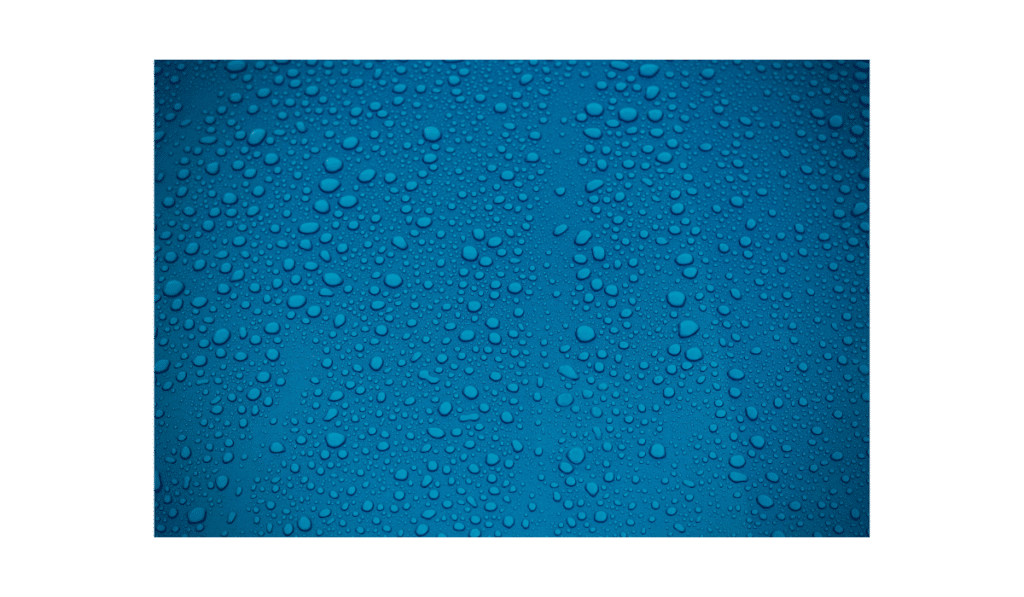
Water vapor is water in gas form. Even if your crawl space or basement does not have standing water, moisture may still be present in the air.
This invisible moisture is one of the most misunderstood causes of crawl space and basement problems.
Warm air naturally carries moisture. When humid outdoor air enters a cooler crawl space or basement, condensation can form on surfaces like ductwork, pipes, floor joists, and foundation walls.
The Relationship Between Water and Vapor
Liquid water and water vapor often work together.
For example:
- Standing water evaporates into water vapor
- High humidity creates condensation
- Condensation can drip and create liquid water
- Wet materials release additional moisture into the air
This creates a cycle that can keep crawl spaces damp year-round if the underlying issue is not addressed.
Whether moisture appears as standing water or invisible water vapor, both can contribute to mold, wood rot, musty odors, and structural damage. Understanding how these two forms of water affect your crawl space or basement is an important step toward creating a healthier, drier home and preventing costly repairs.
Set up your Free Inspection today!