Cracks in drywall, sticking doors, uneven floors, and gaps around windows can all be signs of foundation settlement. While some settling is normal over time, excessive or uneven settlement can lead to serious structural problems if ignored.
Understanding what causes foundation settlement and recognizing the warning signs early can help homeowners avoid more serious structural damage in the future.
What Causes Foundation Settlement
- Expansive Clay Soil- clay heavy soil expands when wet and shrinks during dry periods
- Poor Drainage- water pooling around the home may weaken supporting soil
- Drought Conditions- the dry ground will shrink and may change the leveling
- Poorly Compacted Fill Soil- loose soil beneath the structure may compress over time
- Tree Roots- roots can remove moisture and increase risk of uneven settlement
- Heavy Structural Loads- extra weight can place additional pressure on supporting soils.
Foundation settlement occurs when the soil beneath a home can no longer adequately support the weight of the structure
Ways to Fix Foundation Settlement
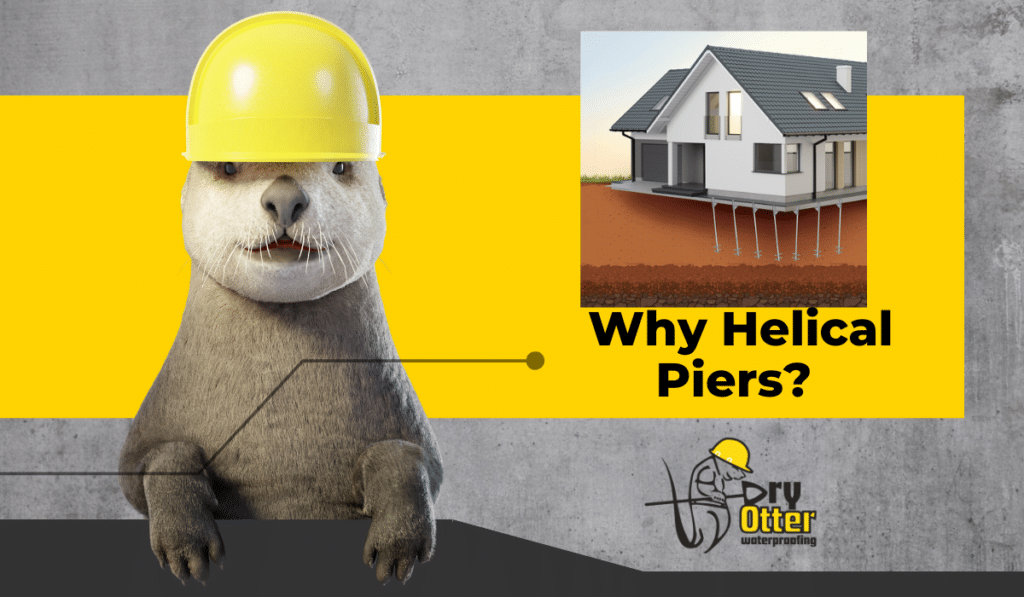
One of the best ways to help fix foundation settlements are through Helical Piers. Helical piers are steel foundation supports that are mechanically screwed deep into the ground until they reach stable, load-bearing soil.
One of the most overlooked causes of foundation settlement is poor water management. Drainage solutions are a great way to fix the problems if the water is affecting the soil of the home making it unable to hold the weight of the home. Crawl Space Draining can be a great way to control the water and give your home more long term stability.

Soil Conditions
Soil Conditions are a very important when it comes to foundation settling as if the soil is weak then it will lead to increased structural damage.
North Carolina has a lot of: Clay heavy soil, moisture swings, drainage issues and expansion/contraction cycles. Those can be main problems that will lead to a weak soil under your home.
Foundation Settlement in North Carolina
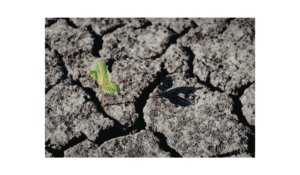
Homes throughout the Charlotte, Lake Norman and Hickory areas often experience foundation movement because of the changing moisture conditions in the clay heavy soil. During rainy periods, clay soil will explain as it absorbs more and more moisture. But then during the drought or dry weather the soil may shrink. With all of the changes and constant movement this will add stress and contribute to uneven settlement.
What Dry Otter can do to help

Foundation settlement problems rarely improve on their own, but identifying them early can help prevent more extensive structural damage over time. If you’ve noticed cracks, uneven floors, sticking doors, or other signs of settlement, set your Free Inspection here today so we can help evaluate the problem and recommend the right long-term solution for your home.
You Otter Get Dry!