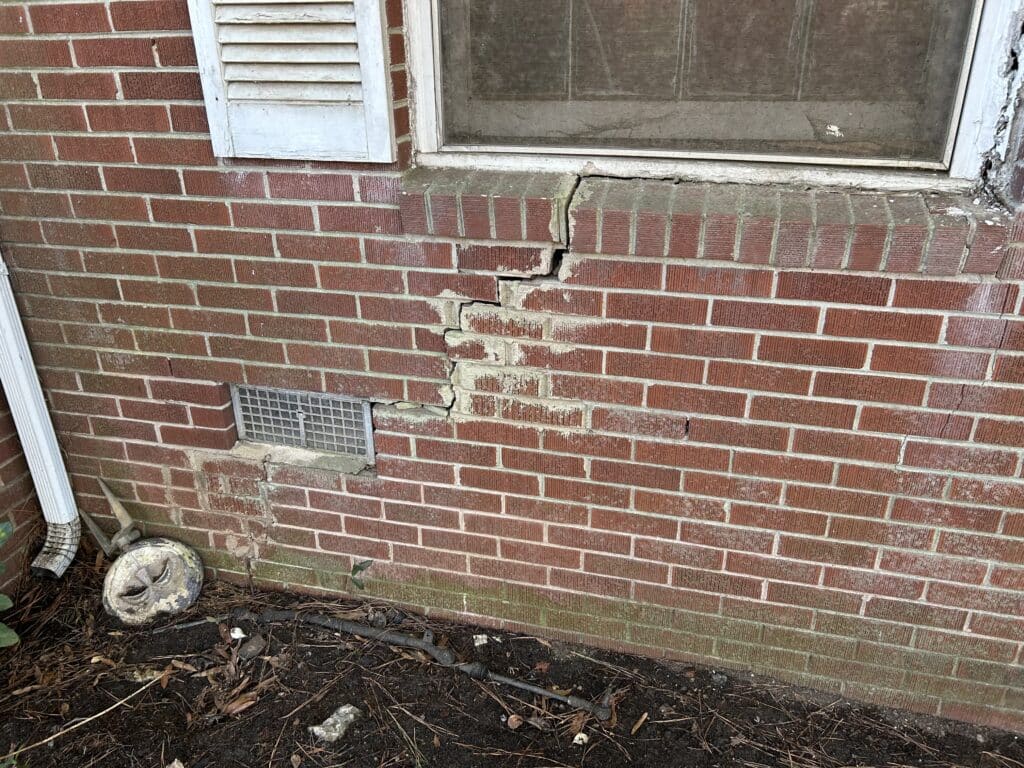
Cracks in walls, uneven floors, and settling foundations can all point to serious structural issues. One increasingly popular solution is helical piers. A foundation support system designed to stabilize and lift sinking structures with minimal excavation.
What are Helical Piers
Helical piers are commonly used in foundation repair to stabilize settling foundations and transfer the weight of the home to deeper, load-bearing soil. They are called “helical” because of the spiral-shaped plates welded to the steel shaft. The spirals allow the pier to screw into the earth, almost as a giant screw going into the ground.
These Piers are installed using hydraulic equipment and play a role in home repair strategy along with waterproofing and basement repair. These piers provide long-lasting support designed to help stabilize your foundation for decades.

Signs your home needs Helical Piers
Helical Piers will be a great solution if you are having any of these problems inside or outside your house
- Cracks in drywall or brick
- Uneven floors
- Gaps around frames
- Soil conditions are poor
- The structure has become too heavy for the existing soil conditions
- Poorly compacted ground
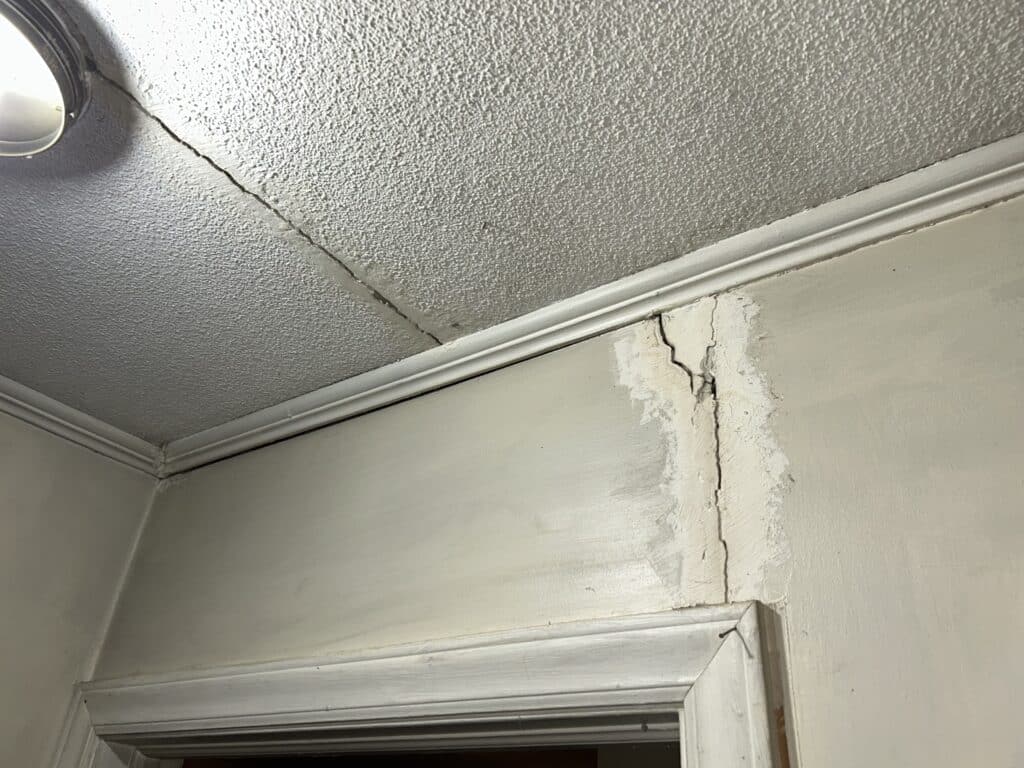
Its very important to identify the problems early and be able to find a solution for it fast before the problem escalates. There are more reasons you could use helical piers to help your home. If you have any questions you should contact Dry Otter to give you all the information you need to help make your home safer!
Are Helical Piers expensive?
Helical Piers are usually in the range of $1900-2200 each. The number of helical piers you may need will be dependent on how big the problem is. The smaller problems may need 2 while bigger problems may grow to 8 or more helical piers needed. This price might seem hefty but with each pier it will last 50-100 years and some may even last as long as the house itself. The piers also fix the problems in your house that if aren’t corrected will end up costing more than the piers themself. Set up a Free Inspection today to start solving your foundation problems!
Installation Process

This is a small summary of everything that will occur during the installation process.
How Dry Otter approaches Helical Piers
Once you get your free inspection and recognize the problem Dry Otter will schedule you and get out to you ASAP with a crew ready to work and complete the job in an efficient manner. Schedule your free inspection today!