Hydrostatic pressure is the force that water exerts when it saturates the ground and has nowhere else to go. Water naturally seeks the path of least resistance and always moves downward or sideways until it finds a release point. When the soil around your home becomes overly saturated, water builds up in the ground and begins pressing against your foundation walls and floor.
Even without a visible crack, hydrostatic pressure can force water through porous concrete or into seams where the wall meets the floor. Over time, it causes leaks, dampness, mold, and in some cases, serious structural damage.
Where Does This Pressure Come From?
Several common conditions around your home can contribute to hydrostatic pressure:
- Heavy rain or extended wet seasons
- Poor grading that causes water to pool near the foundation
- Clogged or nonexistent exterior drainage systems
- A high water table
- Saturated backfill around the foundation
That last item is especially important. If the soil surrounding your foundation becomes saturated, it can trap water in place and worsen the pressure against your basement or crawl space walls. To understand why that happens and how it begins, [read our blog post on backfill saturation].
How Hydrostatic Pressure Affects Foundations
The signs of hydrostatic pressure are easy to miss until they become major problems:
- Water seeping through foundation walls
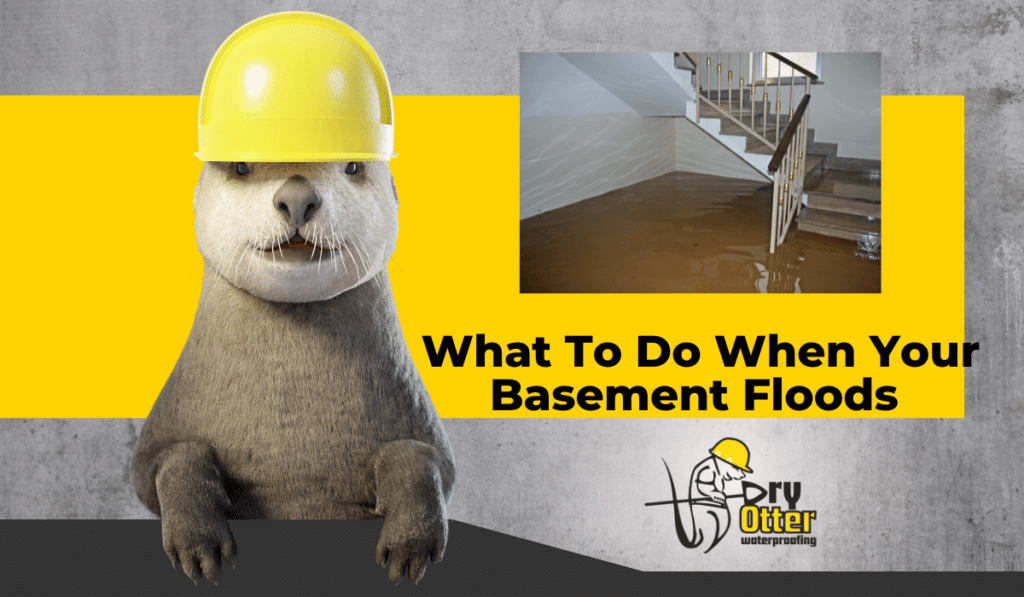
- Pools of water forming in the basement or crawl space
- White powdery deposits called efflorescence
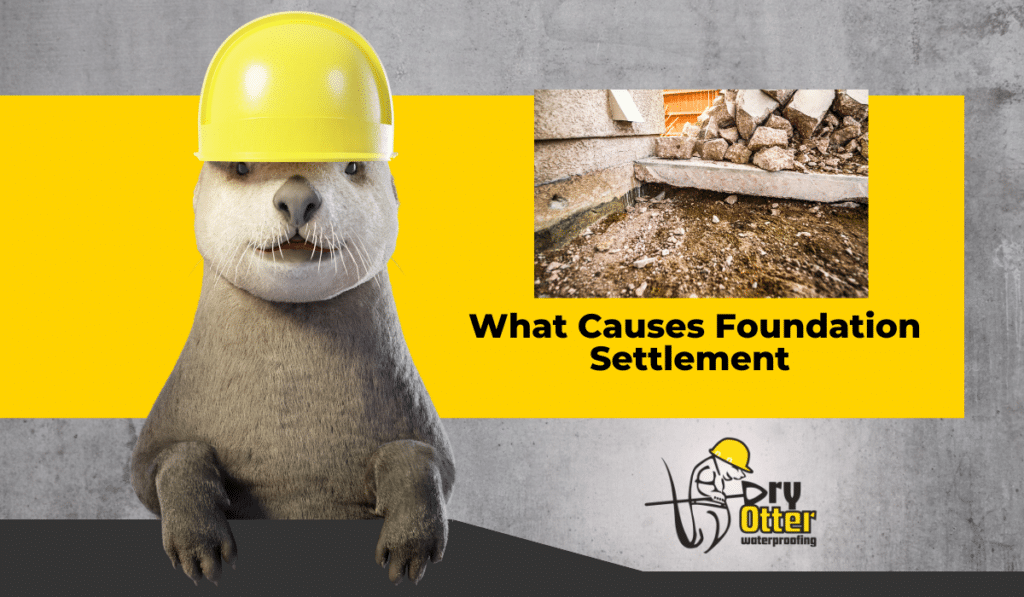
- Bowing or cracking foundation walls
- Mold, musty odors, or damaged insulation in the crawl space
Once pressure builds up, it doesn’t go away on its own. It will continue to push water toward the lowest point until that water is either drained away or enters your home.
How Dry Otter Relieves Hydrostatic Pressure
At Dry Otter Waterproofing, we specialize in relieving hydrostatic pressure before it causes damage. Depending on the home and the foundation type, we may recommend:
- Interior French drains to redirect water to a sump pump
- Exterior drainage solutions if the yard grade or soil composition is contributing to the problem
- Crawl space encapsulation to create a sealed environment and keep moisture out
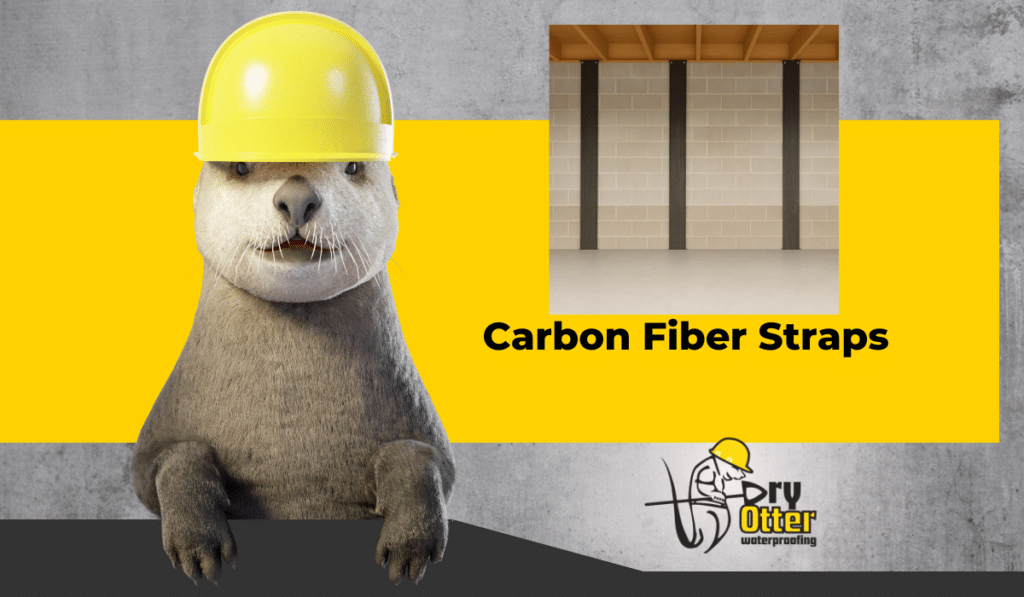
- Wall reinforcements if pressure has already caused structural movement
Every home is different, but the root problem is often the same: water has built up where it shouldn’t be, and the foundation is paying the price.
Don’t Wait for Water to Find Its Way In
Hydrostatic pressure is a natural process, but the damage it causes is preventable. If you’ve noticed musty smells, damp floors, or foundation cracks, the pressure may already be there. Dry Otter can help relieve it and protect your home for the long term.