Noticing dark spots, fuzzy growth, or discoloration creeping along your baseboards can be unsettling. Many homeowners assume it is a simple surface issue caused by spills, poor cleaning habits, or everyday humidity inside the home. But when mold or mildew shows up along baseboards, the source of the moisture is not always in the room you can see.
In many homes, especially in the Southeast, baseboard mold is often a symptom of a moisture problem that starts underneath the house. Your crawl space plays a much bigger role in indoor air quality and moisture movement than most people realize.
Why Baseboards Are a Red Flag
Baseboards sit at the lowest point of your walls, right where moisture naturally wants to collect. When water vapor moves upward from below the home, it tends to settle near the floor first. That makes baseboards one of the earliest and most common places for mold or mildew to appear.
Most people do not clean their baseboards very often, which makes it easy to overlook early signs of mold or mildew. Dust, scuffs, and everyday grime tend to collect there, so discoloration is often brushed off as normal dirt or wear. Because baseboards sit low and out of direct sight, homeowners may not notice a problem until it has been there for a while. By the time it starts to look suspicious, moisture may have already been affecting the area behind the wall.
If the growth keeps coming back after cleaning, or if it appears in multiple rooms along exterior walls, it is often a sign that moisture is entering the home from below rather than from a single indoor source.
How Moisture Moves Up From the Crawl Space
Crawl spaces are naturally cool, shaded areas that are prone to damp conditions. When exposed soil, poor drainage, or outside humidity introduce moisture into the crawl space, that moisture does not stay put.
Warm air rises, and as it does, it carries moisture with it. This process, sometimes referred to as the stack effect, allows damp air from the crawl space to move upward through small gaps in the subfloor, around plumbing penetrations, and inside wall cavities. Over time, that moisture can reach the interior walls and baseboards, creating the perfect environment for mold and mildew growth.
Common Crawl Space Issues That Affect Baseboards
Several crawl space conditions are commonly linked to mold or mildew along baseboards.
Excess humidity: High humidity levels in the crawl space allow moisture to linger and travel upward into the home.
Ground moisture: Exposed soil continuously releases water vapor into the crawl space if it is not properly covered.
Poor drainage: Standing water near the foundation or improper grading can funnel moisture directly beneath the house.
Insufficient ventilation or outdated vents: Older vented crawl spaces often bring in humid outdoor air, making moisture problems worse instead of better.
Damaged insulation: Wet or falling insulation can trap moisture against the subfloor, allowing it to migrate into walls.
Why Cleaning the Baseboards Is Not Enough
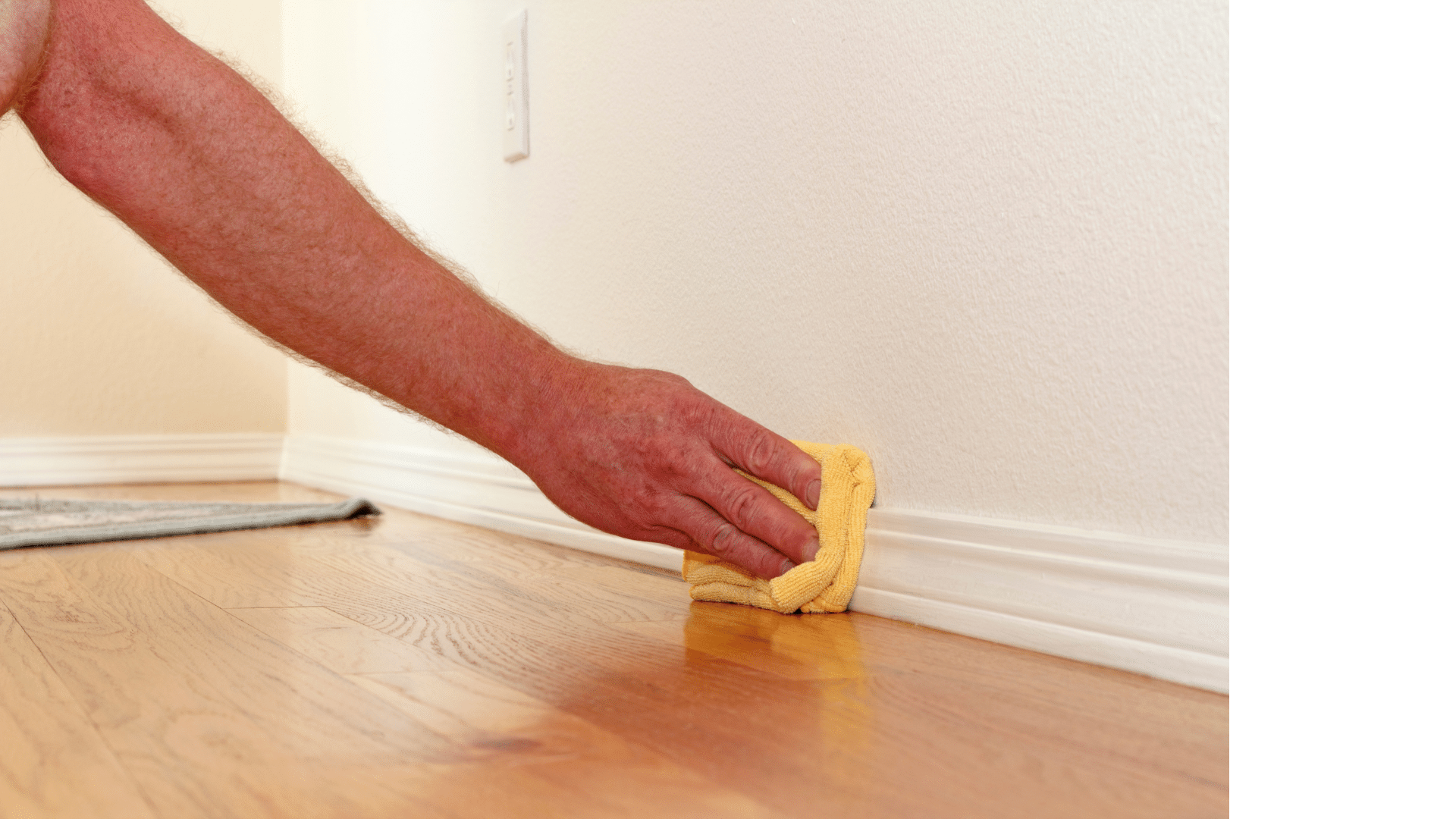
Wiping down baseboards with household cleaners or even mold-specific products may remove visible growth, but it does not address the underlying cause. If moisture is still entering from below, mold and mildew are likely to return.
In some cases, homeowners turn to bleach or other harsh cleaners. While these products can lighten stains, they do not solve moisture intrusion and may fail to eliminate mold embedded in porous materials like wood or drywall.
Long-term improvement requires controlling moisture at its source.
Signs the Problem Is Coming From Below
Not sure whether your baseboard mold is connected to the crawl space? A few warning signs can help point you in the right direction.
A musty or earthy odor in the home, especially near floors, is a common indicator. Floors that feel unusually cold or damp can also suggest moisture below. You may notice increased allergy symptoms indoors or visible mold on floor joists or insulation when looking into the crawl space.
If baseboard issues appear after heavy rain or during humid months, that timing can also be a clue.
How Crawl Space Solutions Help Protect Your Home
Addressing crawl space moisture can help reduce the conditions that allow mold and mildew to form inside the living space. Professional crawl space solutions focus on limiting ground moisture, managing humidity, and improving overall air quality beneath the home.
This may include installing a durable vapor barrier, improving drainage, managing airflow, and using a properly sized dehumidifier designed for crawl space environments. When moisture levels are controlled below the home, less damp air is able to move upward into walls and baseboards.
Why a Professional Evaluation Matters
Every home is different, and moisture issues rarely have a one-size-fits-all solution. A professional crawl space inspection helps identify where water is entering, how humidity is behaving, and what steps will be most effective for long-term protection.
At Dry Otter Waterproofing, inspections focus on understanding the full picture rather than treating symptoms alone. By addressing the conditions beneath the home, it becomes possible to reduce recurring indoor moisture problems and protect the structural materials that matter most. Plus, inspections are free.
When to Take Action
Mold or mildew on baseboards should never be ignored. Even small areas can point to a larger moisture issue that may affect indoor air quality, flooring, and structural components over time.
If cleaning has not solved the problem or if the growth keeps returning, it is worth looking below the floor for answers. Catching crawl space moisture issues early can help prevent more extensive damage and costly repairs down the road.
You Otter Get Dry