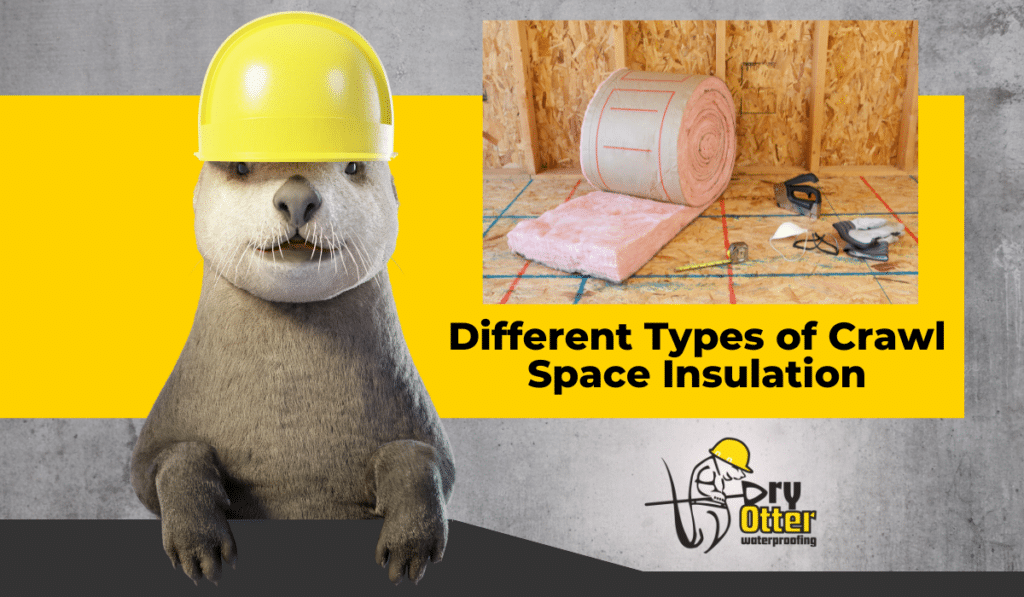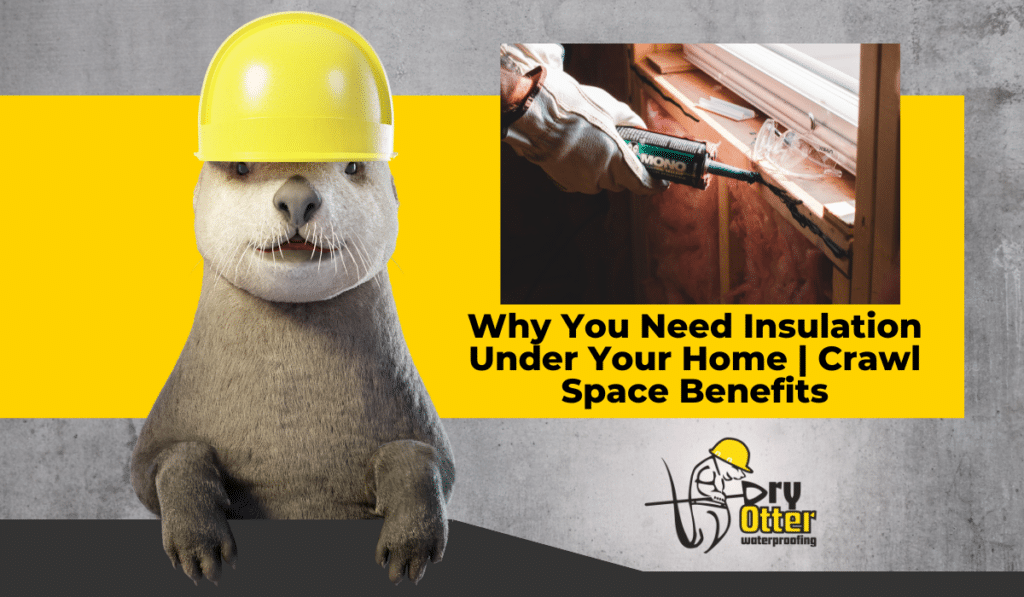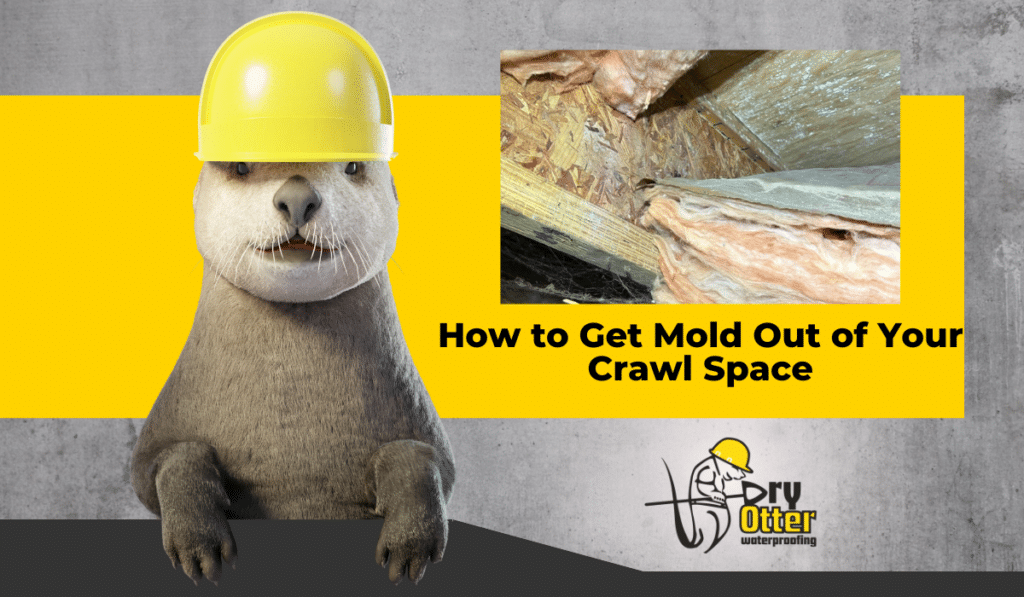
If you have ever looked into insulation for your crawl space, basement, or attic, you have probably seen the term R value. It gets mentioned a lot, but most homeowners are not given a clear explanation of what it actually means or why it matters, compared to normal insulation, for moisture control and comfort.
R stands for “resistance”.
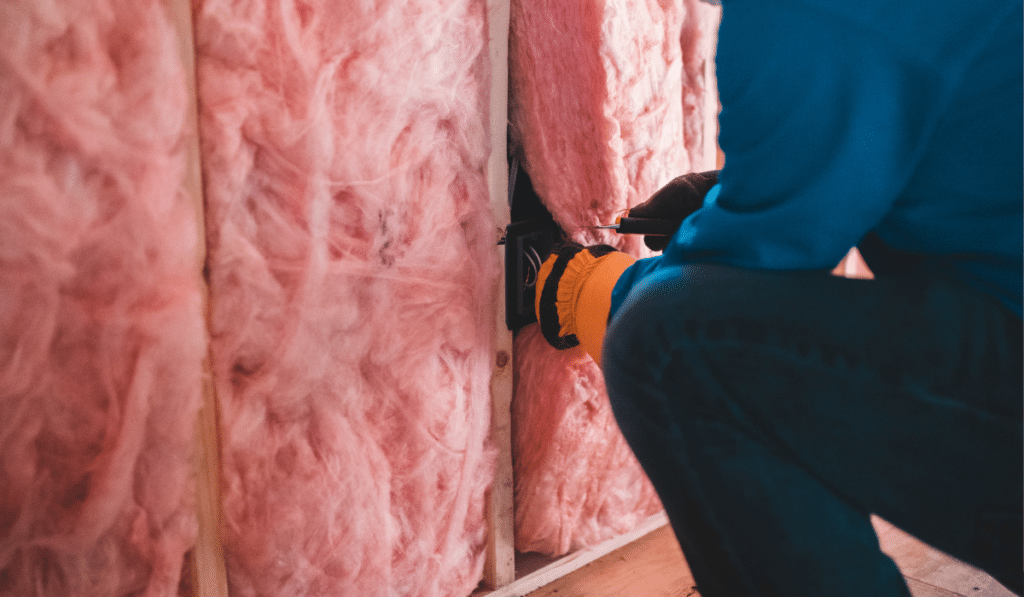
R value is simply a measurement of how well an insulation material resists heat flow. The higher the R value, the better that material is at slowing down heat movement through walls, floors, or ceilings. Heat naturally moves from warmer areas to cooler ones, so insulation with a higher R value helps keep indoor temperatures more stable year-round.
Why R Value Matters in Your Home
R value is often talked about in terms of comfort and energy savings, but it also plays an important role in moisture control. When insulation levels are too low, surfaces in crawl spaces and basements can become cold. When warm, humid air hits those cold surfaces, condensation can form.
Over time, that moisture can lead to mold growth, musty odors, and even damage to wood framing. This is one reason insulation problems are so often tied to crawl space and basement moisture issues.
R Value and Energy Efficiency
Homes with proper insulation and appropriate R values tend to use less energy to heat and cool. When heat is not constantly escaping in winter or entering in summer, your HVAC system does not have to work as hard. This can lead to more consistent temperatures and lower utility bills.
It is important to remember that insulation performance is not just about the number printed on the product. Installation quality matters just as much. Gaps, compression, or moisture exposure can significantly reduce how effective insulation actually is.
What Is a Good R Value?
There is no single R value that works for every home. The right level depends on your climate, the part of the home being insulated, and whether moisture issues are already present. Crawl spaces and basements often need different insulation strategies than attics or exterior walls, especially in North Carolina because of the high humidity.
In many cases, insulating crawl space or basement walls rather than the floor above can help create a more stable environment. This approach can reduce temperature swings and limit condensation when combined with proper moisture control.
R Value and Crawl Space Encapsulation
In crawl spaces, insulation works best as part of a larger system. Encapsulation helps control ground moisture and air movement, while insulation with the right R value helps regulate temperature. Together, they can improve comfort, protect structural materials, and reduce humidity throughout the home.
Focusing on R value alone without addressing moisture sources often leads to disappointing results. That is why a full evaluation is important before making insulation decisions.
How Dry Otter Waterproofing Approaches R Value
At Dry Otter Waterproofing, we do not look at insulation numbers in isolation. We evaluate how heat, air, and moisture are interacting in your crawl space or basement with a free inspection. From there, we recommend insulation solutions that make sense for your home and support long-term moisture control.
Understanding what R value is and how it affects your home is the first step toward making better decisions about insulation and waterproofing.
You Otter Get Dry.