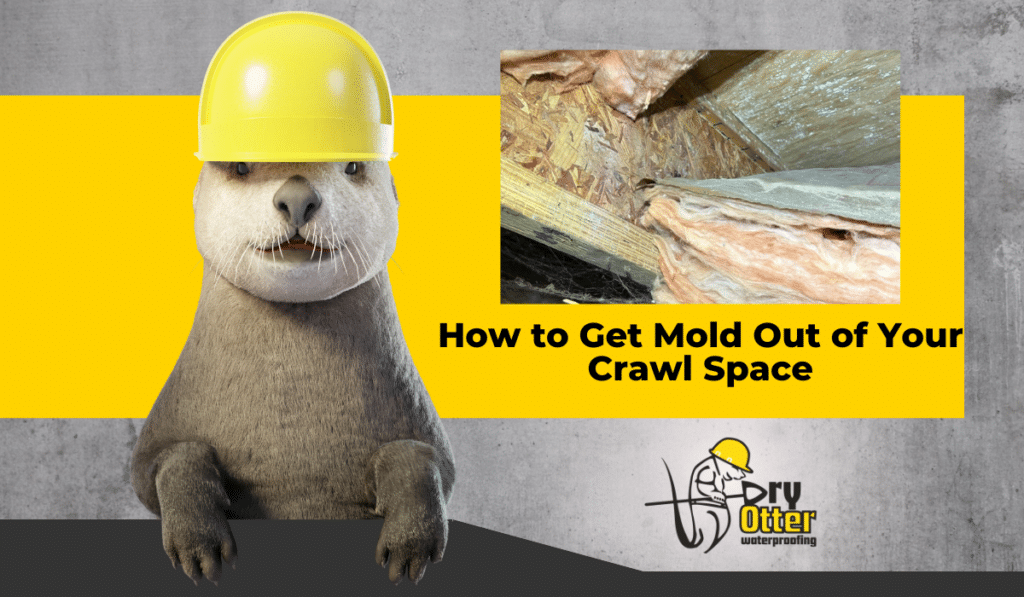
After periods of heavy rain, it’s not unusual for homeowners to discover damp soil or even standing water in their crawl space. While it may seem like a normal reaction to wet weather, any amount of water under your home is a sign that drainage and moisture control aren’t working as they should. Over time, that lingering moisture can damage your foundation, promote mold growth, and compromise your home’s air quality.
Why Crawl Spaces Collect Water After Rain
When heavy rain falls, the ground around your foundation absorbs more water than it can handle. Without proper drainage, that water has nowhere to go but down and inward. Homes with poor grading, clogged gutters, or disconnected downspouts are especially vulnerable because excess water naturally flows toward the lowest point, which is often the crawl space.
Even homes with well-built foundations can experience water intrusion if the surrounding soil becomes oversaturated. Once the ground is saturated, hydrostatic pressure forces moisture through tiny cracks or gaps in crawl space walls and floors. What may look like a harmless puddle after a storm is often the result of deeper drainage and groundwater issues.
The Hidden Impact of Water in Your Crawl Space
Water under your home doesn’t just disappear when the sun comes out. Even after the visible water evaporates, moisture remains trapped in the air, insulation, and wooden framing. This damp environment encourages mold growth, wood rot, and pest infestations.
Over time, these conditions can weaken your floor joists and cause uneven or sagging floors. Wet insulation loses its effectiveness, making it harder to heat and cool your home efficiently. As humidity builds, that musty crawl space air can also seep into your living areas, affecting indoor air quality and causing unpleasant odors. What starts as a small moisture issue can quickly turn into a structural and health concern.
Why DIY Fixes Aren’t Enough
Some homeowners try to handle crawl space moisture by laying down plastic sheeting, adding fans, or applying waterproof paint. While these temporary measures might help for a short time, they rarely address the real cause of the problem.
If water continues to enter from outside, the issue will always return. True waterproofing focuses on keeping water away from the foundation and creating a controlled, sealed environment that stays dry no matter the weather.
Lasting Solutions That Work
Keeping your crawl space dry after heavy rain requires a system that controls both surface and groundwater. This often includes foundation drainage, a sump pump, and full crawl space encapsulation.
Drainage systems capture and redirect water before it reaches your crawl space. A sump pump removes any collected water automatically, even during major storms. Encapsulation seals the space with a durable vapor barrier, keeping out soil moisture and humidity. Together, these steps protect your foundation, improve air quality, and maintain a clean, dry environment year-round.
How Dry Otter Waterproofing Can Help
At Dry Otter Waterproofing, we specialize in solving water problems that appear after heavy rain. Our team inspects every part of your foundation and crawl space to find where water is coming from and why it’s building up. We then design a custom waterproofing system tailored to your home, whether it involves drainage, sump installation, encapsulation, or all three.
Every system we install is backed by a lifetime warranty, giving you lasting peace of mind. Once complete, you’ll have a crawl space that stays dry and protected, no matter how much rain falls outside.
Protect Your Home Before the Next Storm
Water in your crawl space after heavy rain isn’t normal. It’s a signal that your home needs attention. Ignoring it allows moisture damage to grow silently beneath your feet, often leading to costly repairs later.
Schedule a free inspection with Dry Otter Waterproofing today. We’ll identify the source, provide a lasting solution, and make sure your crawl space stays dry through every season.
You Otter Get Dry.