When temperatures start to drop, homeowners often wonder what to do with their crawl space vents. For decades, the standard advice was to open vents in the summer and close them in the winter. The idea was to manage airflow and prevent frozen pipes. However, research and building science now show that this seasonal approach can do more harm than good. In most cases, crawl space vents should stay closed year-round to keep your home protected from moisture, cold air, and energy loss.
Why Crawl Space Vents Were Originally Used
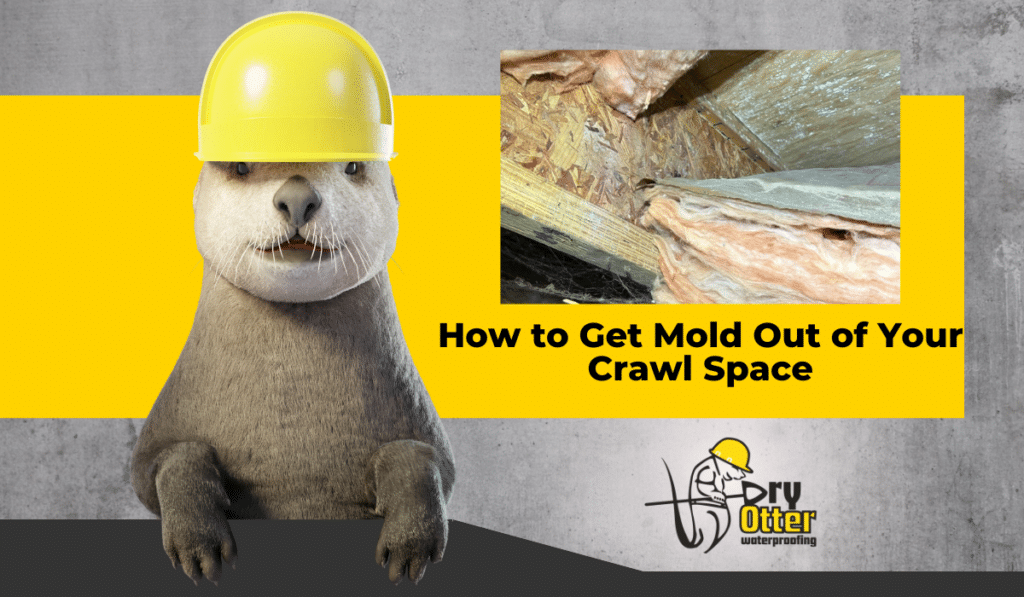
Builders once believed that open vents would allow moisture to escape naturally. During mild weather, this might have worked temporarily, but in most climates, including throughout North Carolina, outside air introduces more moisture than it removes. Warm air meeting the cool surfaces under your home creates condensation. Over time, this trapped moisture leads to mold, wood decay, and insulation damage. As a result, the practice of venting crawl spaces is now considered outdated.
Problems with Open Vents in Winter
Leaving crawl space vents open during cold months allows chilly, damp air to flow beneath your home. This makes the floors above noticeably colder and forces your heating system to work harder, which raises your energy bills. Even worse, pipes running through the crawl space can freeze and burst, leading to costly repairs. Open vents also create an easy entry point for rodents and insects seeking warmth. What may seem like a simple ventilation issue can quickly turn into a problem affecting your comfort and your home’s structure.
Why Closing Vents Year-Round Is Better
Instead of opening and closing vents seasonally, the best solution is to close them permanently and manage the environment inside the crawl space. When vents are sealed off and the area is properly encapsulated, you gain control over temperature and humidity. This keeps moisture levels stable and prevents cold drafts from reaching your floors. With the right vapor barrier, drainage, and dehumidifier in place, the crawl space stays dry, energy efficient, and protected from seasonal changes.
The Benefits of Crawl Space Encapsulation
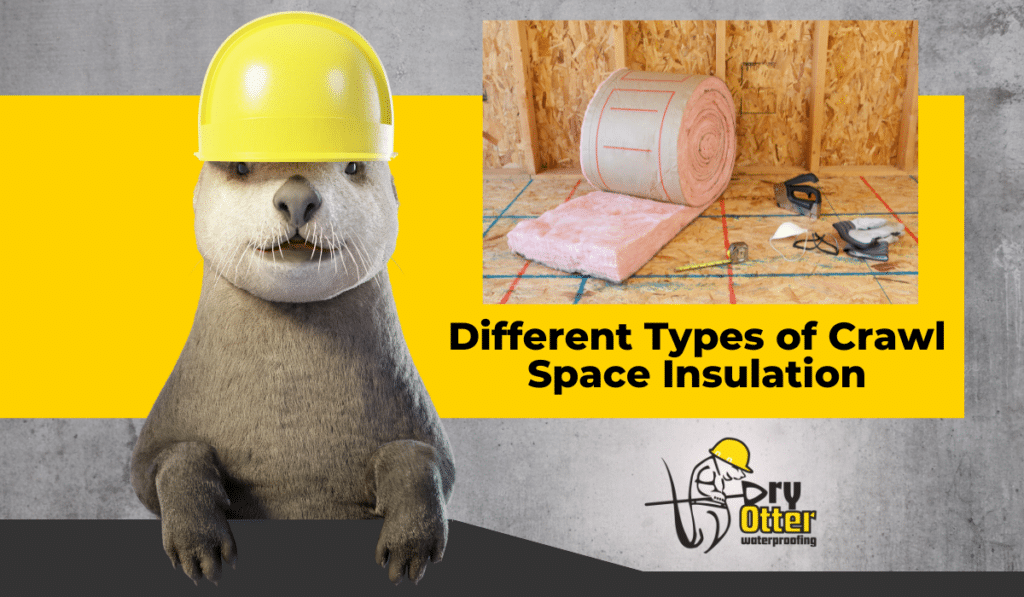
Encapsulation provides a long-term fix that eliminates the problems caused by vented crawl spaces. Homeowners who invest in encapsulation often notice warmer floors, reduced heating costs, and better indoor air quality. It also protects your home’s foundation from moisture-related damage and prevents pests from entering. Because the crawl space plays a major role in your home’s air quality and structural integrity, keeping it dry and insulated benefits your entire living space.

Protect Your Home This Winter with Dry Otter Waterproofing
If you are unsure about the condition of your crawl space or whether your vents should be closed, Dry Otter Waterproofing can help. Our team designs and installs complete encapsulation systems tailored to your home’s specific needs. We use professional-grade vapor barriers, insulation, and drainage solutions that keep moisture under control and protect your foundation year-round. Schedule a free inspection today and let us help you create a warmer, healthier home this winter. Because you Otter be dry, no matter the season.