Keeping mold from growing in your crawl space is important for your health and protects the structural integrity of your home.
Regular inspections of this often-overlooked area of your home are important, but what should you look for?
This guide will help you identify mold, understand removal practices, and prevent mold from growing in the future.
Understanding Mold in Crawl Spaces
What causes mold growth? Understanding the root cause of mold growth is the key to preventing it. The main culprits are:
- High humidity
- Standing water
- Poor ventilation
- Poor drainage
How much mold in a crawl space is acceptable? The easy answer is that no amount of mold is acceptable. Even small amounts pose a health threat and can promote structural damage over time.
Mold spores can become airborne and circulate throughout your home, causing respiratory problems, increasing allergy issues, and promoting mold that produces mycotoxins, which can create severe health risks.
Visible mold should be eliminated, but the extent of the problem varies. Small isolated mold patches often indicate a recent issue, like a leaky pipe or excessive rainfall.
Moderate mold growth occurs when large areas of mold are visible and have a musty smell. This suggests an ongoing problem that needs to be addressed.
Extensive mold is where you see widespread contamination that covers a large surface area, including structures. This indicates a long-standing moisture issue that can pose severe health risks.
Signs of Mold in Your Crawl Space
Visible mold growth: Knowing where to look for mold will make the process easier. These are the common places to check for mold:
- Wooden beams and joists: Wood is the main food source for mold, and excess moisture can accumulate in wood, making it susceptible to mold growth.
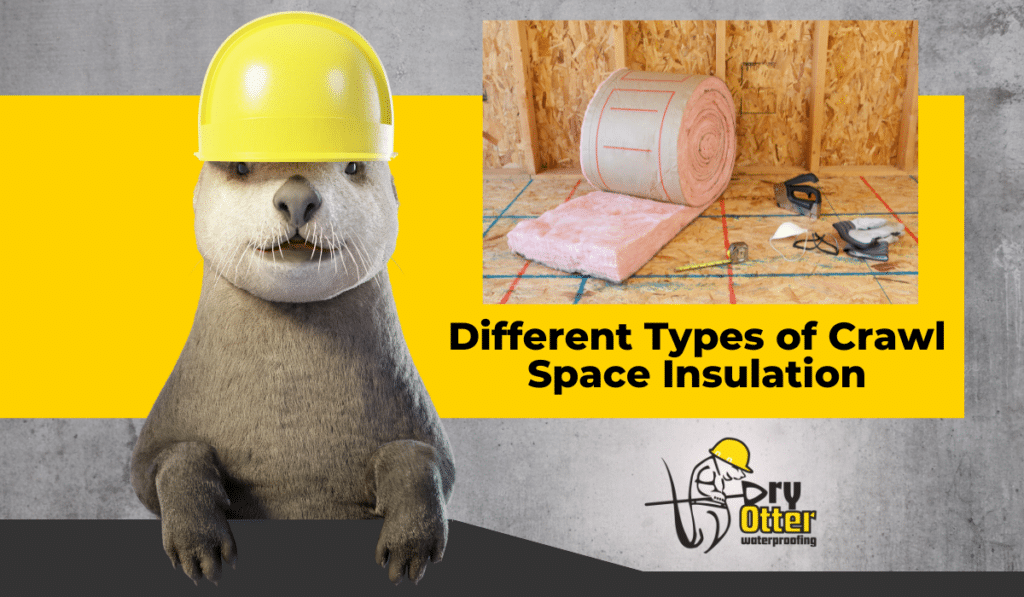
- Insulation, especially with paper backing, can absorb moisture, making it a good target for mold.
- Crawl space walls are another place to look, as the temperature varies from inside to outside the walls, creating a damp environment that is susceptible to mold.
- Under subflooring: Leaks and spills can seep through your subfloor, increasing the possibility of mold growth in your crawl space.
- Vents and ductwork naturally have condensation. Always check to see if they are properly sealed.
- Around plumbing, pipes, and your water heater.
- Stored items, especially things in cardboard boxes.
- Dirt floors harbor moisture, especially if there is improper drainage or ventilation.
Musty odors: A musty smell is your first indication that you could have a hidden mold problem.
This unique smell is different from the smell of food or cleaning products. It is earthy and damp and lingers.
The smell might be more potent in areas like bathrooms, basements, or closets, and the intensity signals the extent of the problem.
Health symptoms: Connecting health symptoms to mold growth can help you understand why you or your family members are seeing an uptick in respiratory issues.
Mold spores are allergens, and because they are released into the air, anyone with mold allergies will feel symptoms because the spores will trigger your immune response.
Respiratory infections are another issue to pay attention to. Mold irritates the respiratory tract, leading to coughing, wheezing, shortness of breath, and chest tightness.
Other indicators are headaches, fatigue, sinus infections, and skin irritation.
While these health issues are not always directly linked, it is critical to check your home and crawl space to be safe.
How to Get Rid of Mold in Crawl Space Areas
DIY vs. Professional mold removal: If you have a small, isolated area of mold, DIY removal is possible, but anything beyond that needs to be handled by a professional to avoid a health hazard.
How to remove mold from crawl space-step by step process:
- Wear protective gear like masks, gloves, and goggles to prevent mold from harming or entering your airways.
- Household cleaning agents like 3% hydrogen peroxide or white vinegar with a concentration of 5% acetic acid are effective for mold removal. Spray the solution on the mold, let it sit for an hour, and scrub away the mold until the surface is clean.
- Commercial mold removers can be used as well. Follow the manufacturer’s directions.
- Scrub and remove the mold using a soft-bristled brush for hard surfaces and dispose of the residue.
Preventing Mold in Your Crawl Space
- Reduce humidity by using a dehumidifier or improving ventilation.
- Install a vapor barrier to waterproof and block moisture from entering through your floor and walls.
- Find moisture problems early by regularly checking your home and crawl.
Professional mold removal is a safe way to thoroughly clean and prevent mold from damaging your home and health.
For peace of mind, contact Dry Otter Waterproofing for expert mold remediation.