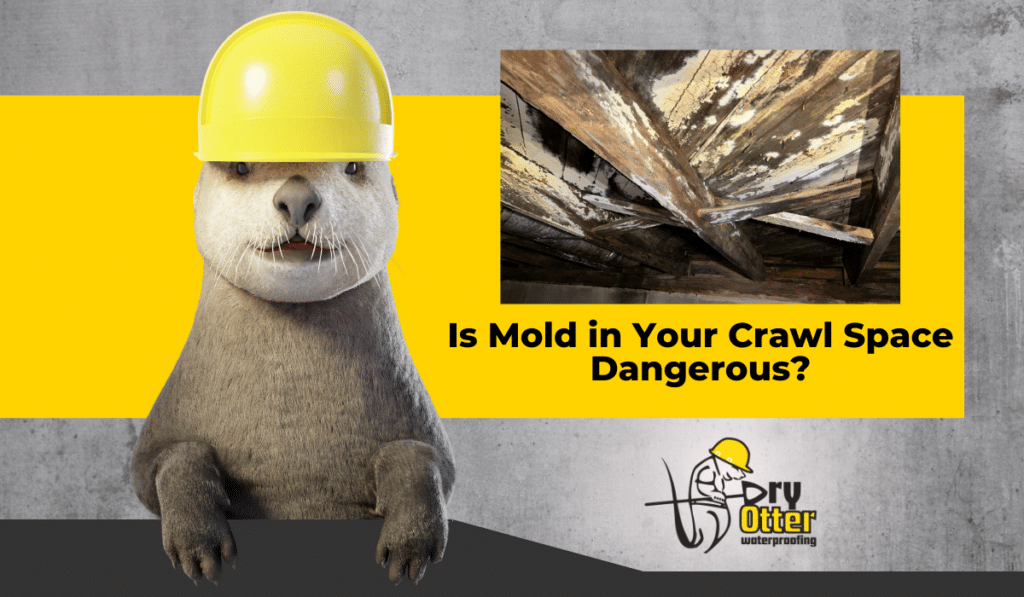
Discovering mold in your crawl space can be stressful. Mold spreads quickly in damp, dark areas, and leaving it untreated can affect both your home and your family’s health. The good news is that with the right approach, you can remove mold safely and prevent it from coming back.

Step 1: Identify the Mold and Moisture Sources
Before tackling crawl space mold, you need to know where it’s growing and why. Check for damp spots, leaks, or standing water. Mold loves moisture, so the first step to removing it is controlling the source of the problem. Look for:
- Leaky plumbing or HVAC lines
- Foundation cracks
- Poor drainage around the home
- High humidity in the crawl space

Step 2: Safety First
Mold spores can be harmful when inhaled. Always wear protective gear including gloves, goggles, and a respirator. Keep children and pets away from the crawl space while you work. Ventilate the area as much as possible to reduce exposure to spores.
Step 3: Cleaning Surface Mold
For small patches on hard surfaces, a mixture of water and detergent or a household cleaner can remove mold. Some homeowners use bleach, but it only kills mold on the surface and can be hazardous in damp, enclosed crawl spaces. Porous materials like wood or insulation may need professional attention to fully remove mold and prevent it from returning. .

Step 4: Dry the Crawl Space
Mold won’t survive without moisture. Once the visible mold is removed, it’s essential to dry out the crawl space completely. Use fans, dehumidifiers, or professional drying equipment to reduce humidity and keep the area dry.
Step 5: Long-Term Prevention with Encapsulation
Even after cleaning, mold can return if moisture problems aren’t fixed. Crawl space encapsulation is the most effective long-term solution. By installing a vapor barrier and sealing vents, professionals can keep your crawl space dry and mold-free for years. A dehumidifier can also help maintain the right moisture levels.

Key Takeaway
Removing mold from a crawl space isn’t just about cleaning visible spots. It’s about controlling moisture, protecting your home, and preventing mold from coming back. With the right safety measures and professional solutions like encapsulation, you can keep your crawl space clean, dry, and healthy.
Schedule your free crawlspace inspection here.
You Otter Get Dry