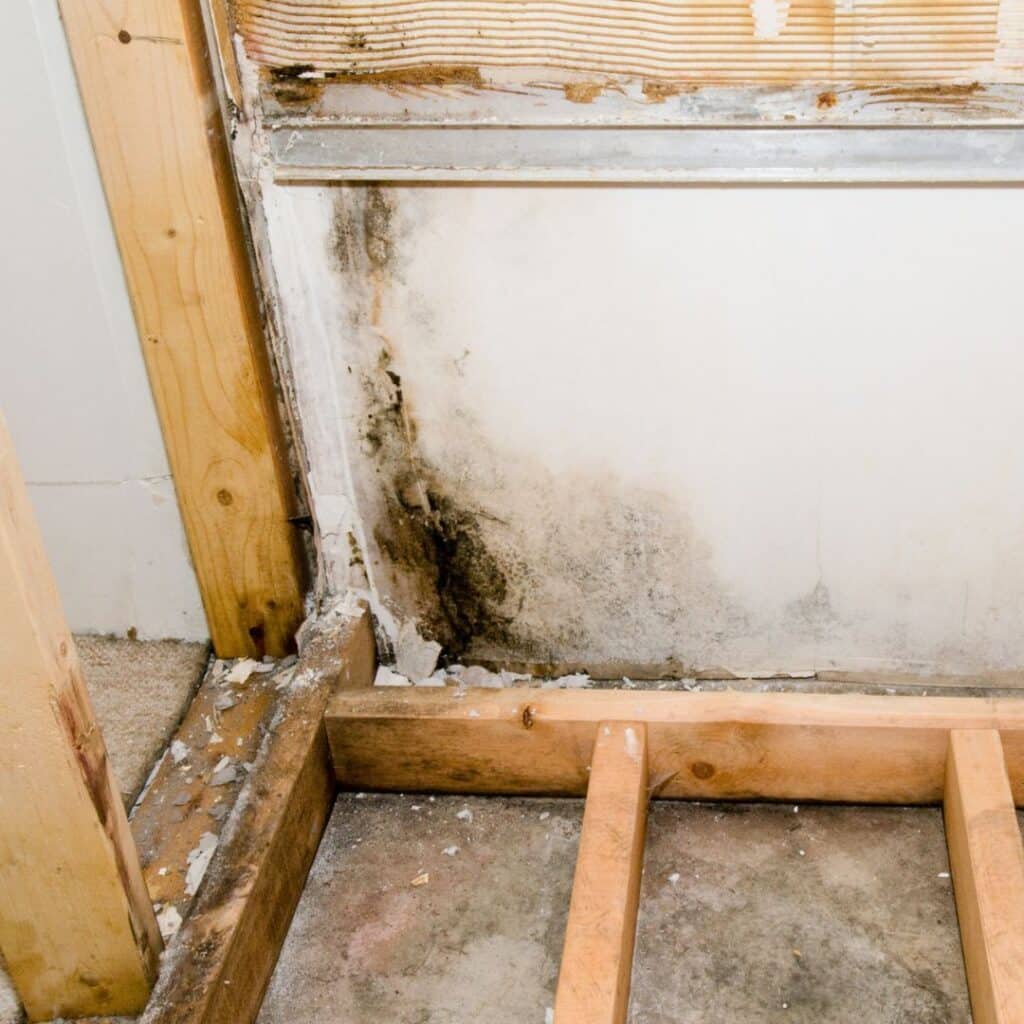
Uncovering mold in your basement can be an unsettling experience. The telltale signs, like fuzzy patches, trigger worries about your health and the structural integrity of your home.
How can I test for mold in my basement?
DIY kits that test the air quality and surface sampling are two tests readily available.
The safest option is to schedule professional testing because the DIY results can sometimes be unreliable and inaccurate.
Why Mold Thrives in Basements

Several factors promote the growth of mold in your basement. Let’s look at the common causes:
Moisture and humidity:
Leaks, condensation from a warm, wet environment, and poor ventilation create the perfect environment for mold growth.
Organic materials:
Wood, cardboard, insulation, and other stored items can provide the food to fuel mold growth.
Darkness and limited airflow:
Darkness and limited airflow also contribute to mold growth.
Can mold grow on concrete basement walls? Yes. Concrete’s porous surface can trap dust, dirt, and other organic materials, promoting mold growth.
Can Basement Mold Make Me Sick?
Finding mold always makes you wonder, can mold in basement make you sick? The answer is yes unless you have it professionally removed. Mold is something you should never ignore.
Understanding the health hazards of mold:
Age:
Young children, infants, and anyone with a weakened immune system are more susceptible to mold-related health problems.
Health conditions:
Anyone with allergies, asthma, or chronic respiratory issues can experience severe reactions to mold.
Sensitivity:
Some individuals are naturally more sensitive to mold.
Can mold in basement make you sick? Here are the primary health concerns:
Allergic reactions:
The signs of an allergic reaction are sneezing, coughing, runny nose, itchy eyes, and wheezing.
Asthma attacks:
Mold can trigger asthma attacks in people with asthma.
Hypersensitivity pneumonitis:
Hypersensitivity pneumonitis is a rare, serious lung disease caused by repeated exposure to specific types of mold.
Skin irritation:
If you come into direct contact with mold, you may experience skin rashes, redness, or itching.
Eye irritation:
Like skin irritations, mold can cause eye redness, watering, and discomfort.
Central nervous system:
In rare cases, some people may experience headaches, fatigue, difficulty concentrating, and other neurological issues from prolonged exposure to high mold levels.
Understanding normal vs severe mold reactions
Normal reactions from mold involve mild respiratory tract irritation like sneezing, coughing, runny nose, mild skin irritation, and itchy eyes.
These symptoms usually subside within a few days of leaving the moldy area or cleaner air from mold remediation.
A severe reaction can be more intense, like severe coughing, wheezing, difficulty breathing, fever, fatigue, headaches, nausea, and vomiting. These symptoms may have a longer duration and require medical attention.
It is important to know that if you experience any concerning symptoms related to mold, seeking proper medical care is vital for your health.
Can Mold Spread from My Basement?
Can mold in basement affect upstairs air quality? The answer is yes.
Mold thrives in damp, warm environments, making your home the perfect breeding ground for mold growth.
The most significant danger with mold is the microscopic spores. Invisible to the naked eye, they serve as the reproductive units that work to contaminate your indoor air quality, leading to a toxic environment.
How does mold disperse in your home?
Mold grows into millions of lightweight spores. Everyday household activities like walking, dusting, and ceiling fans efficiently distribute these spores, making them airborne.
Other means of distribution are opening windows and doors. Your ventilation system can also bring mold spores indoors. Once airborne, mold spores can be easily inhaled during regular activity throughout the house.
Conditions and types of mold that spread easily
Moisture is the most significant cause of mold from leaking pipes, roof damage, condensation, and improper basement ventilation.
Temperatures between 68 and 77 degrees are ideal for mold growth. Stagnant airflow also allows mold to settle on surfaces, encouraging growth.
Food for growth: organic matter, dust, cellulose-based materials like wood and drywall, carpets, and upholstery can all provide the food necessary for growth.
Type of mold
Aspergillus: the most common indoor mold can live in various environments and adapt to different temperatures and moisture levels, making it a potentially dangerous mold because of its resilience.
Penicillium is also a common mold that can grow on multiple surfaces, producing irritants even though some strains are used for antibiotics.
Stachybotrys chartarum, or black mold, is notorious for its health risks. While not as common as the others, it produces potent mycotoxins, which require immediate removal due to the severe health threat.
Dealing with Basement Mold
What NOT to do:
- Can I paint over mold on basement walls? No. Just covering mold with paint will not eliminate the problem. Mold removal is the only way to deal with the situation.
- NEVER ignore mold and hope it just resolves itself.
What to do FIRST:
- Determine if the mold is in a few isolated spots or widespread.
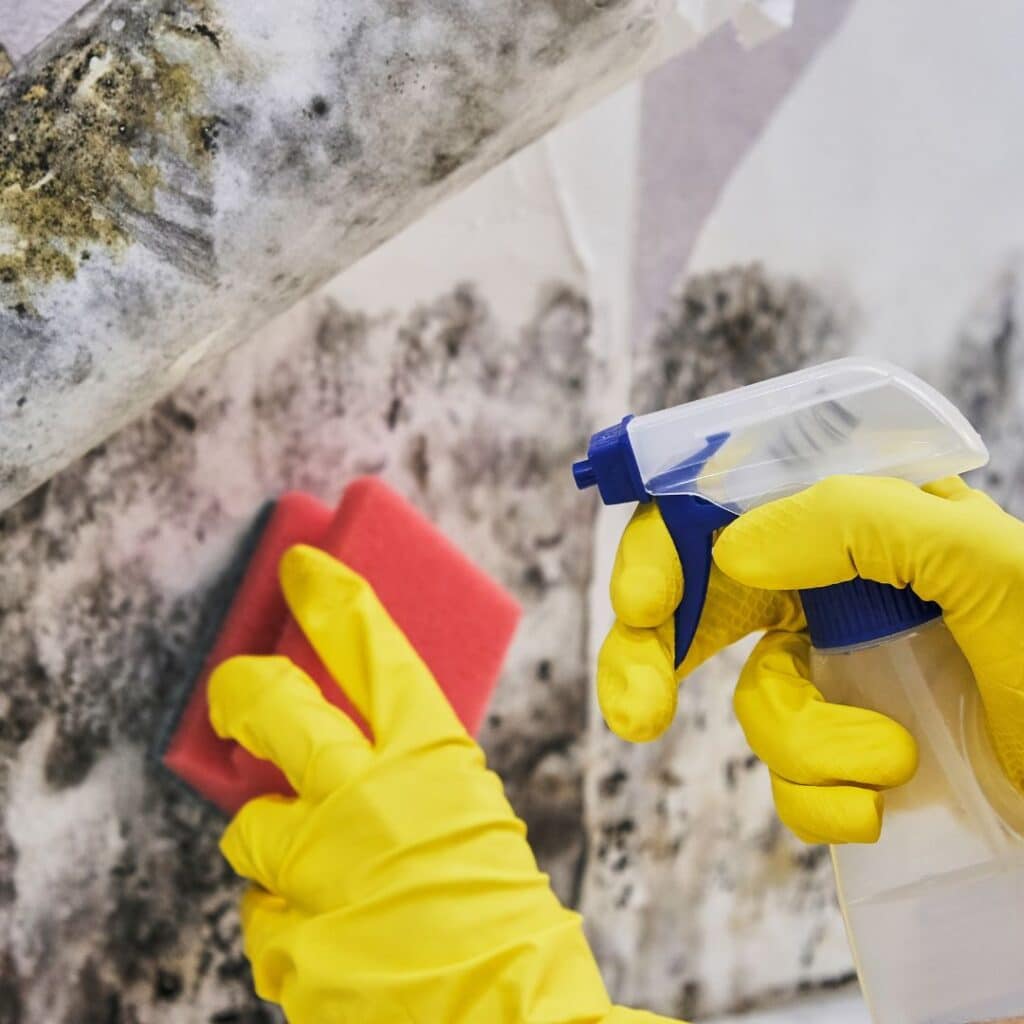
- DIY removal is not recommended because of the expertise required, but some safety materials needed are an N-95 respirator, goggles, gloves, and long sleeves and pants. Proper ventilation is also required.
- Call a professional when the area of mold infestation is larger than 10 square feet. If you can’t identify the type of mold you have or aren’t well-versed in the proper removal technique, do not take on mold removal yourself.
DIY vs. Professional Remediation
Mold thrives in damp environments, and improper cleaning can spread the spores and increase health risks. That is why the expertise of a professional mold removal service is vital.
Tiny areas with a clear source may be ok to DIY, but these situations call for a pro:
- Musty odor persists after cleaning
- Recurring mold or widespread growth
- Ongoing health issues
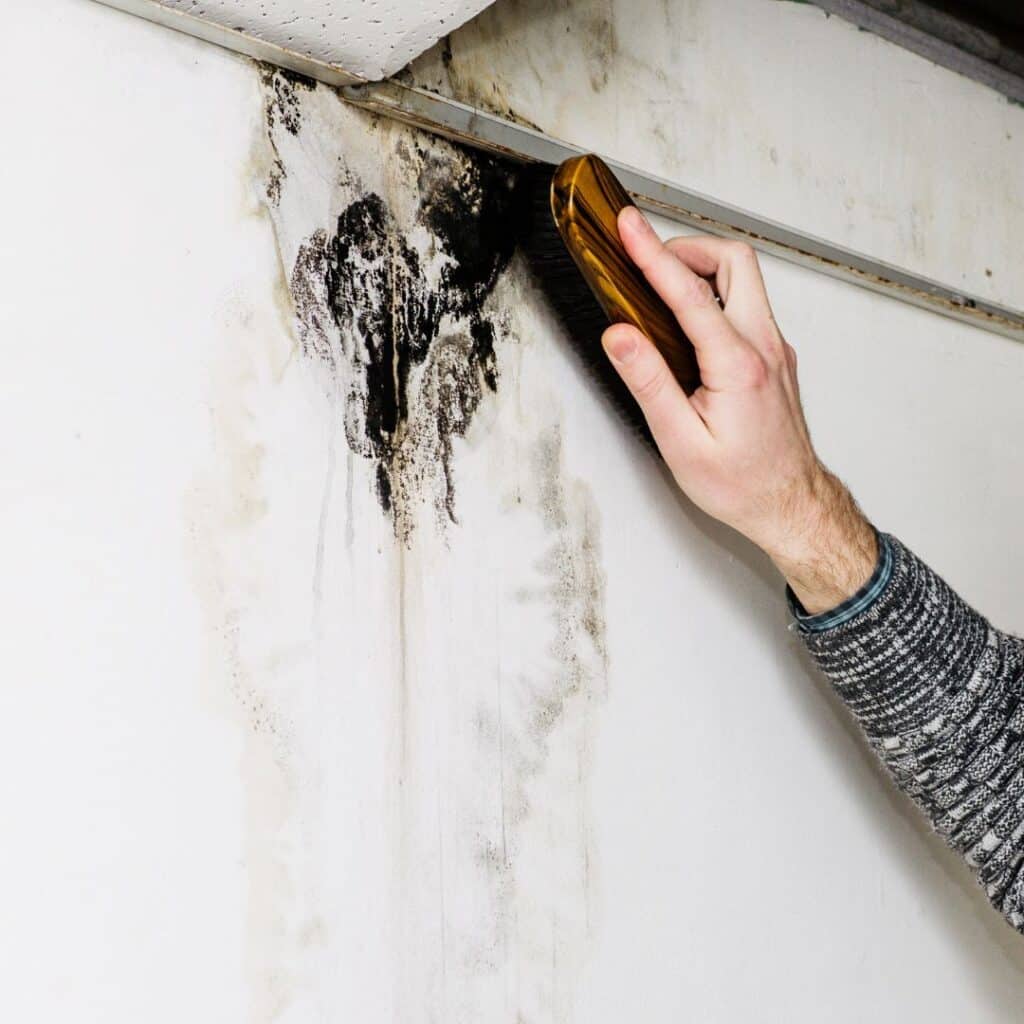
A healthy home requires finding the source of mold growth and eliminating the problem.
Too much moisture in your basement? Schedule a free basement inspection today. We are here to help!