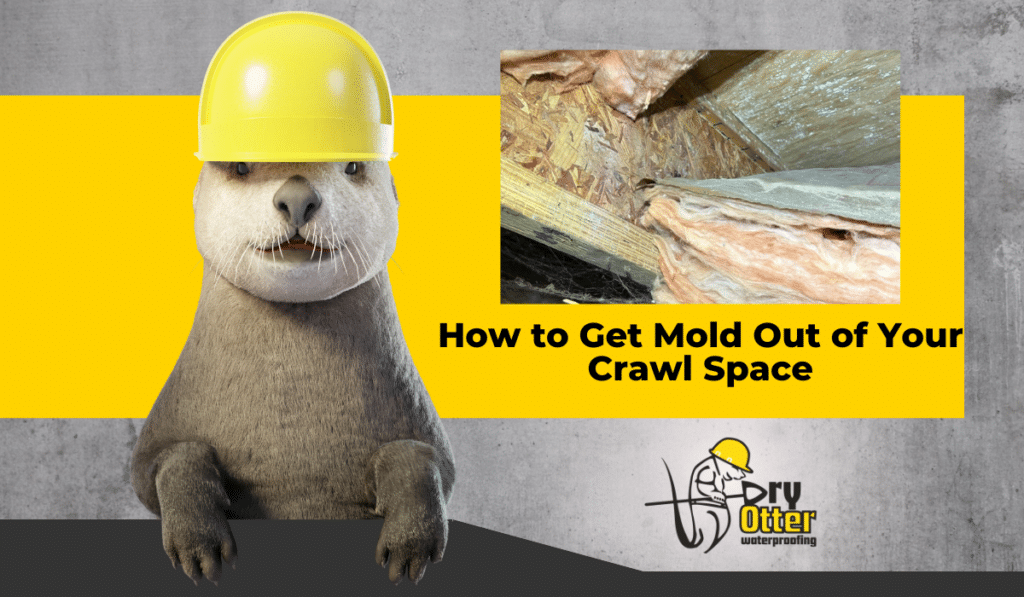
Finding mold in a crawl space can feel like a red flag, especially if you are buying or selling a home. It is one of those issues that sounds serious, looks unpleasant, and raises questions about the overall health of the structure. The good news is that crawl space mold does not automatically mean you should walk away from a property. What it does mean is that you need to understand the cause, the extent of the problem, and the steps required to correct it.
Why Mold Shows Up in Crawl Spaces
Mold thrives in areas with moisture, organic material, and limited airflow. A crawl space provides all three. High humidity*, standing water, dirt floors, and poor ventilation create an environment where mold grows quickly. In many cases, homeowners do not realize there is a problem because the crawl space is rarely visited.
* The EPA says Mold can grow on almost any surface when RH stays above 60 percent for long periods.
The key thing to remember is that mold is a symptom. The real problem is the moisture that allowed it to form. If the moisture source can be identified and corrected, mold becomes manageable instead of catastrophic.

When Mold Is a Minor Issue
Not all mold problems are equal. Light, surface-level mold on floor joists or subflooring is extremely common in older homes, especially in humid regions. If the structural wood is still solid and there is no rot, this type of mold can usually be cleaned and treated without major disruption. Most buyers move forward confidently once they understand that the issue is fixable and not unusual.
In many cases, the seller agrees to take care of the remediation. Professional treatment followed by proper moisture control can stabilize the space and protect it from recurring mold growth.
When Mold Becomes a Bigger Concern
Crawl space mold becomes more serious when it has been ignored for a long time. If moisture has caused wood rot, sagging floors, or compromised structural components, the repair becomes more involved. In these cases, the buyer needs to weigh the cost of repairs against the value of the home.
Even then, mold is still not a deal breaker for most transactions. It simply requires a clear plan for remediation and repairs. A trustworthy crawl space professional can outline the steps needed and provide estimates so you know exactly what you are dealing with before agreeing to move forward.

What Homeowners and Buyers Should Do
If you find crawl space mold during a home inspection, here are the steps that help you make a smart decision:
- Get a professional evaluation. Inspection reports often mention mold, but a specialist can determine the cause and the severity.
- Ask about moisture sources. Drainage issues, plumbing leaks, high humidity, and poor vapor barriers are common causes.
- Request a remediation plan. A detailed outline of cleaning, treatment, and moisture control gives you clarity about what is needed.
- Evaluate long-term protection. Encapsulation, vapor barriers, and dehumidifiers protect the space from future issues.
- Decide based on facts, not fear. Mold sounds alarming, but most cases are correctable when handled properly.
The Bottom Line
Crawl space mold may be unpleasant, but in most homes it is completely solvable. It usually signals that the crawl space needs attention rather than indicating that the entire house is in trouble. With the right remediation and moisture control, the home becomes safer, healthier, and much more stable for the long run.
Every home is different and a Dry Otter professional can tell you exactly what the crawl space needs. You can request an inspection here.
You Otter Get Dry