If you or someone in your household seems to have more breathing discomfort at home than elsewhere, the air inside your house may be part of the story. Many homeowners focus on dust, pets, or outdoor allergens, but one of the most overlooked contributors to indoor air quality sits just beneath the floor.
Crawl space moisture can quietly affect the air you breathe every day. While it is not always the sole cause of breathing issues, excess moisture below the home can create conditions that make indoor air less comfortable and harder on the respiratory system.

How Crawl Space Air Affects the Air Inside Your Home
A large portion of the air inside your home originates from the crawl space. As air moves upward through gaps around plumbing, wiring, and framing, it carries whatever is present below with it.
When a crawl space is damp, that air often contains higher levels of humidity, musty odors, and airborne particles. Over time, this moisture-laden air can circulate through living spaces, especially on lower floors, and contribute to stale or uncomfortable indoor conditions.
Moisture Creates Conditions for Mold and Other Irritants
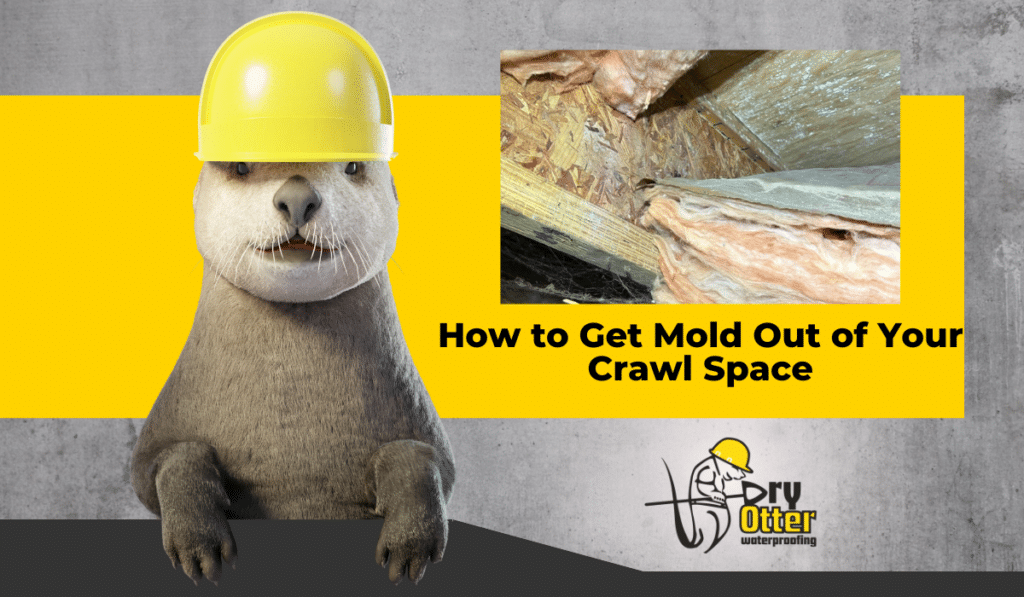
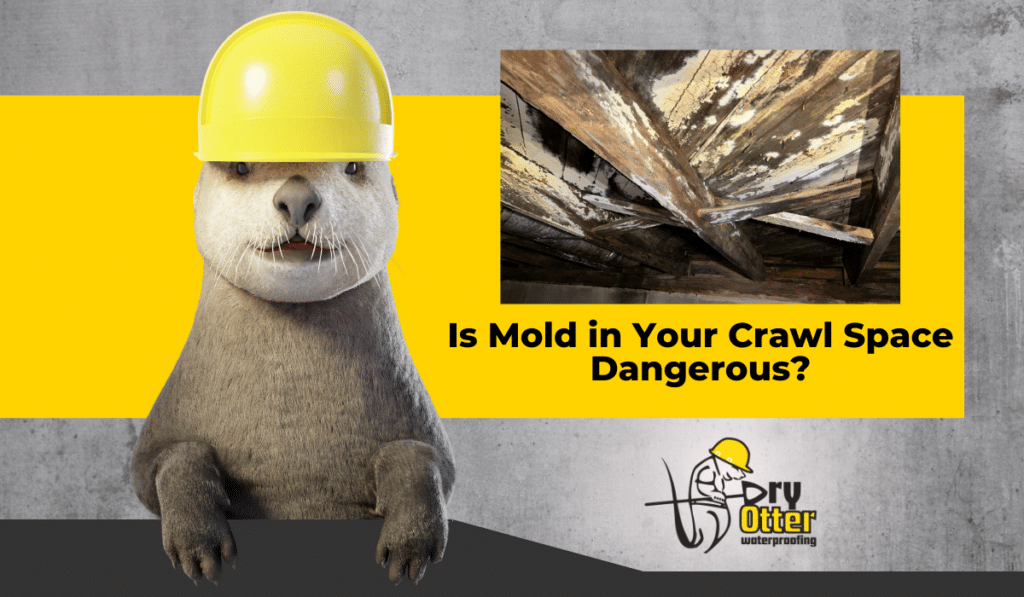
Moist environments allow mold and mildew to grow on organic materials commonly found in crawl spaces, such as wood framing and insulation. As these materials remain damp, they can release spores and other microscopic particles into the air.
Even when mold is not visible inside the living space, these particles can still travel upward. For people with allergies, asthma, or general respiratory sensitivity, this can make breathing feel more difficult or trigger symptoms more often while indoors.
Signs Crawl Space Moisture May Be Affecting Your Indoor Air
Breathing issues linked to indoor air quality are not always obvious, but there are a few common warning signs homeowners notice.
You may experience increased coughing, congestion, or throat irritation that improves when you leave the house. A persistent musty smell, especially near floors or vents, can also point to moisture below. In some homes, humidity levels feel hard to control, or allergy symptoms seem worse at night or in the morning.
These signs do not automatically mean the crawl space is the cause, but they are often enough reason to take a closer look.

Why Humidity Matters More Than You Think
High humidity alone can make air feel heavy and uncomfortable to breathe. When indoor humidity levels remain elevated, it can aggravate existing respiratory conditions and make the home feel stuffy.
Crawl spaces are a common source of excess humidity, particularly when soil is exposed or outside moisture is allowed to enter freely. Without proper moisture management, that humidity continues to cycle upward into the living space.
Why Air Fresheners and Filters Are Not a Long-Term Fix
Many homeowners try to improve indoor air quality with air fresheners, scented candles, or portable air purifiers. While these may mask odors or capture some particles, they do not address the moisture conditions creating the problem.
If damp air continues to rise from below, breathing discomfort and musty smells are likely to return. Long-term improvement typically requires reducing moisture at the source rather than treating symptoms in the living space.
How Crawl Space Moisture Control Can Help
Managing moisture beneath the home can help reduce the amount of damp air and airborne irritants entering your living space. Professional crawl space solutions focus on limiting ground moisture, improving drainage, and controlling humidity levels in a consistent way.
When moisture is controlled below the home, indoor air often feels drier, fresher, and more comfortable. Many homeowners notice fewer odors and a general improvement in how the house feels day to day.
The Importance of a Professional Evaluation
Breathing issues can have many causes, and it is important not to jump to conclusions. A professional crawl space inspection helps determine whether moisture conditions below the home may be contributing to indoor air concerns.
At Dry Otter Waterproofing, inspections focus on identifying moisture sources, airflow patterns, and conditions that may affect the air moving into your home. Understanding what is happening beneath the floor allows homeowners to make informed decisions about next steps. Plus, it’s free!
When It Is Time to Look Below the Floor
If breathing discomfort seems worse at home, if musty odors persist, or if humidity feels difficult to control, the crawl space may be worth investigating. Addressing moisture early can help protect not only the structure of the home, but also the comfort of the people living inside it.
Improving indoor air quality often starts by improving conditions where the air comes from.
You Otter Get Dry.