Crawl space insulation is not a one-size-fits-all decision. There isn’t one insulation for your home, and one for your crawlspace. Homes deal with moisture, temperature swings, and airflow in very different ways, which means the right insulation solution depends on the conditions below your home.
Instead of asking “what insulation is best,” the better question is “what problem am I trying to solve?” Below, we walk through the most common types of crawl space insulation and explain when each one makes sense.
Fiberglass Insulation in Crawl Spaces
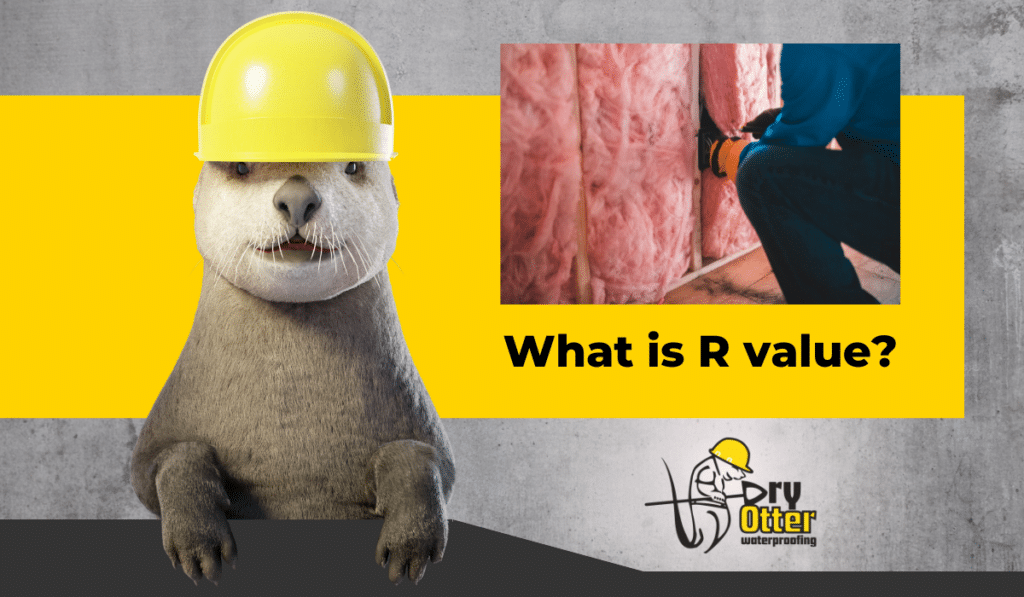
Fiberglass batts are one of the most common insulation materials used in crawl spaces, especially in older homes. They are typically installed between the floor joists above the crawl space.
This type of insulation can help reduce heat loss, but it often struggles in crawl spaces with moisture. Fiberglass does not stop air movement, and when it absorbs moisture, its performance drops significantly. Sagging, falling batts and mold growth are common signs that fiberglass is no longer doing its job.

Fiberglass may be appropriate in dry crawl spaces with good ventilation, but it is rarely the best long-term solution when moisture is present, which is extremely common with North Carolina homes due to the humidity.
Rigid Foam Board Insulation
Rigid foam board is often installed along crawl space walls rather than the floor above. This approach helps keep the crawl space closer to the temperature of the home, reducing cold surfaces that can cause condensation.
Foam board provides a consistent R value and is more resistant to moisture than fiberglass. When properly installed and paired with moisture control, it can improve comfort and energy efficiency.
This type of insulation works well in crawl spaces that are being upgraded or improved but may still need additional air and moisture management to perform at its best.
Spray Foam Insulation
Spray foam insulation expands to fill gaps, cracks, and irregular surfaces. Because it both insulates and limits air movement, it can be very effective in crawl spaces with complex framing or air leakage issues.
Spray foam offers strong thermal performance and can help reduce humidity by limiting outside air infiltration. However, it is typically more expensive and must be installed correctly to avoid trapping moisture against wood or masonry surfaces.
Spray foam is often best used as part of a larger crawl space solution rather than as a standalone fix.
Crawl Space Encapsulation with Insulation
In many homes, the most effective solution is not just changing the insulation, but changing how the crawl space functions altogether. Encapsulation involves covering the ground and walls with a durable vapor barrier, sealing vents and gaps, and adding insulation to the crawl space walls.
This approach helps control moisture at its source, stabilize temperatures, and protect insulation from humidity. When combined with proper drainage and humidity control, encapsulation can significantly improve indoor air quality and comfort throughout the home.
Encapsulation is especially effective in crawl spaces with ongoing moisture problems, musty odors, or condensation issues.
Choosing the Right Crawl Space Insulation Solution
The best insulation choice depends on what is happening in your crawl space today. Moisture levels, ventilation, drainage, and existing insulation all play a role in determining what will actually work long term.
Installing insulation without addressing moisture often leads to wasted money and repeated problems. A solution-oriented approach looks at insulation, airflow, and moisture together rather than in isolation.
How Dry Otter Waterproofing Helps
At Dry Otter Waterproofing, we evaluate crawl spaces with a focus on real-world conditions, not just insulation materials. Our recommendations are based on moisture behavior, temperature differences, and how your crawl space impacts the rest of your home.
By matching the right type of insulation to the right problem, we help homeowners get lasting results instead of short-term fixes.
If you are unsure which crawl space insulation solution makes sense for your home, a professional evaluation can provide clarity and confidence in your decision. Sign up for your free inspection here.
You Otter Get Dry.