Wet insulation in a crawl space is a major problem that should be addressed immediately. It leads to reduced effectiveness of the insulation, breeds mold growth, and contributes to health issues.
This article will discuss the causes, risks, and solutions for handling wet insulation and how to remedy the situation.
Why Crawl Space Insulation Gets Wet
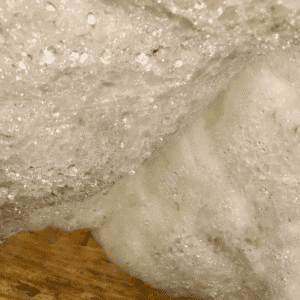
Ground moisture: Moisture from the ground in your crawl space can seep in, causing wet crawl space insulation. This is especially true in unencapsulated crawl spaces.
High humidity levels: Poor ventilation traps moisture, leading to high humidity, which causes condensation on insulation, leading to wet insulation.
Leaks and flooding: Plumbing leaks, flooding, and inadequate drainage can all lead to wet insulation in crawl space areas due to pooling water.
Risks of Wet Insulation in a Crawl Space
Mold and mildew growth: Wet insulation is an ideal host for mold and mildew, providing the nutrients it needs to thrive. Wet crawl space insulation attracts insects, termites, rodents, and other invasive pests.
Decreased insulation efficiency: Insulation is made of air pockets. When there is wet insulation in crawl space areas, these air pockets fill with water, making them less effective at preventing heat transfer. This increases energy bills and lowers efficiency.
Structural damage: Persistent moisture in your crawl leads to wood rot, eventually compromising your foundation’s structural integrity.
Does Wet Insulation Need to be Replaced?
A few factors will help you determine if wet insulation should be replaced:
Evaluating the extent of the damage:
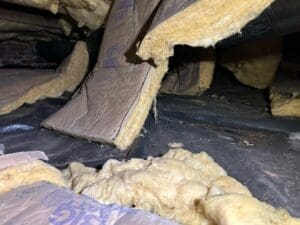
- A small amount of water: Evaluate the extent of the damage. Determine if the wet insulation will dry out on its own. Favorable factors like a small amount of water, with only slightly damp insulation, means it could dry naturally. Good airflow in your space will also help with drying. Low humidity, warm temperatures, and fiberglass insulation that dries quickly could all promote natural drying.
- Extremely wet insulation with a lot of water retention is unlikely to dry out on its own. If your crawl space has poor ventilation, cold weather, cellulose insulation, or high humidity, your insulation won’t dry out and must be replaced.
Health and safety concerns:
Wet insulation encourages mold growth because it provides the food for rapid growth. Mold can cause respiratory infections, asthma reactions, allergies, headaches, and skin rashes.
Mold can increase the severity and cause worsening symptoms for people already affected by these issues.
In addition to health concerns, safety issues like compromised wood joists and subflooring can lead to unsafe conditions that affect a home’s structural integrity.
Professional assessment: When dealing with wet insulation, the best course of action is to consult a professional to determine the extent of the damage and how to move forward.
How to Handle Wet Insulation in a Crawl Space
Removing wet insulation: Start by wearing protective gear. An N95 mask is recommended.
- Provide good ventilation by opening all vents or using fans to move air.
- Turn off the power if you are working around electrical wiring.
- Find the source of the wet insulation and make sure it is fixed.
- Determine what is wet and needs to be removed.
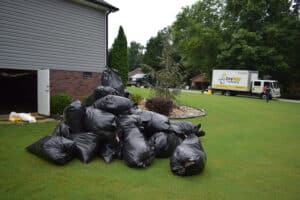
- Carefully remove the wet insulation and place it in heavy-duty garbage bags, sealing the bags tightly to stop the spread of mold spores.
- Clean up any insulation debris, removing any fallen fragments.
Drying the crawl space: Drying the area is the next step.
- Open vents and use fans if necessary to create good airflow.
- Use a dehumidifier to lower humidity and maintain healthy levels.
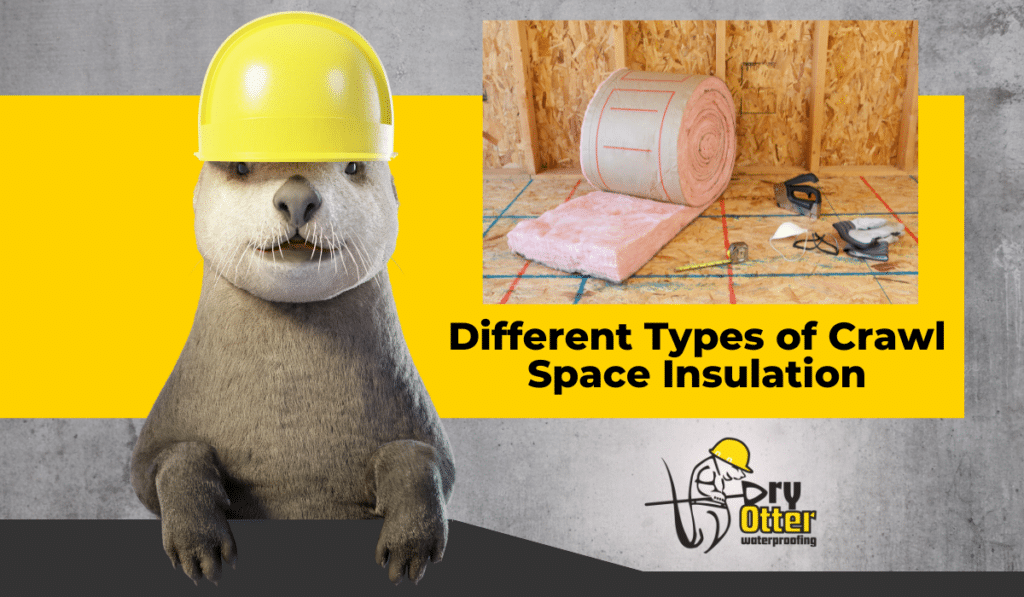
Choosing replacement insulation: After cleaning and drying the space, the most important final phase is selecting the proper insulation to replace it.
- Closed-cell spray foam is a top choice. It has superior moisture resistance because it forms an airtight seal that blocks moisture from intruding. It has a high R-value, providing excellent insulation, adding rigidity to walls and floors, and deterring pests from nesting in it.
- Rigid foam board insulation is another good choice because it doesn’t absorb water. It prevents mold growth and has a high R-value, making it a great insulation material. It is easily used on walls, floors, and the underside of the subfloor.
Other choices that are not ideal for crawl spaces are mineral wool and fiberglass.
Preventing Future Moisture Issues in Crawl Spaces
There are three essential tools to prevent moisture from seeping into your crawl space.
- Crawl space encapsulation keeps water out of your space.
- Installing a vapor barrier reduces ground moisture.
- Improved ventilation using a dehumidifier will keep your crawl space dry.
Protect your home by addressing wet insulation immediately.
Dry Otter Waterproofing has the expertise to give you the best advice on insulation replacement and moisture prevention solutions.