When people think about home insulation, they usually picture the attic or the walls. The space under the home often gets ignored. But if your house sits over a crawl space, the insulation beneath your floors plays a huge role in comfort, energy efficiency, and long-term protection.
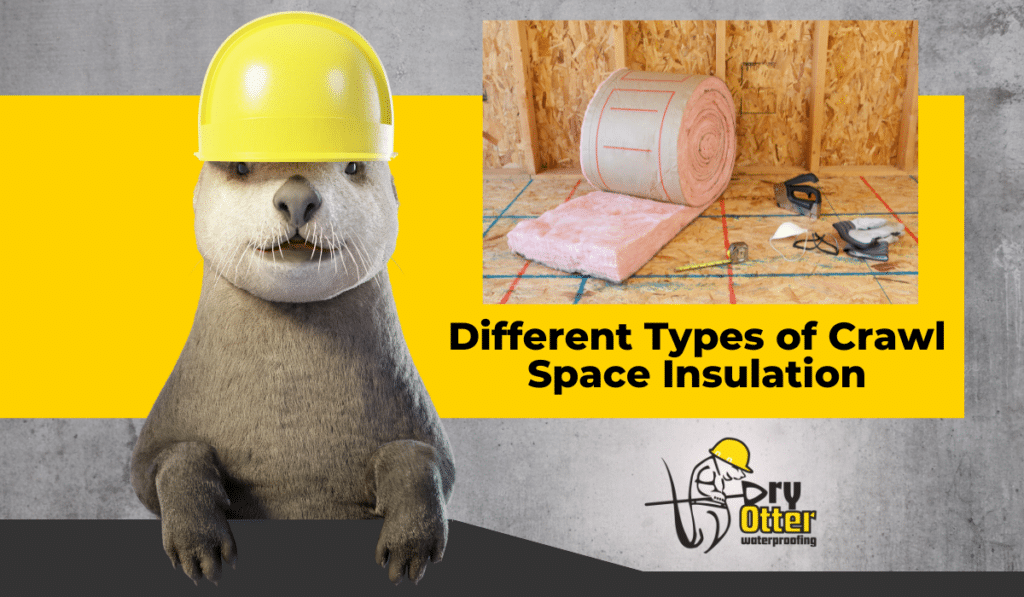
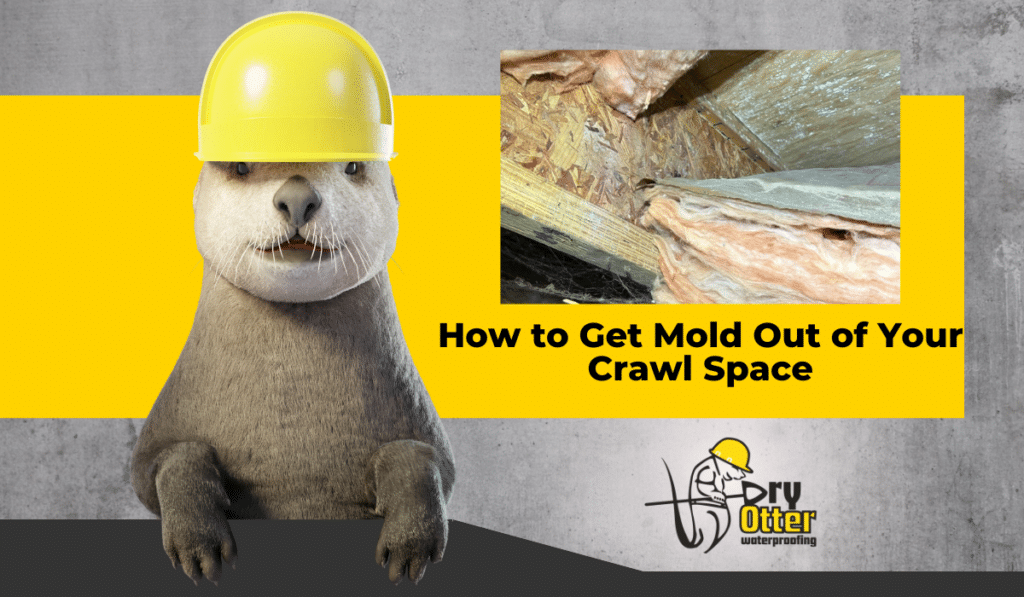
Old crawl space insulation can sometimes look a little like forbidden cotton candy. It’s fluffy, hanging down, and definitely not something you want anywhere near your living space. When insulation starts sagging or falling apart, it’s a clear sign it’s no longer doing its job and may even be holding onto moisture and contaminants.
If you have cold floors in winter, high energy bills, or a crawl space that always feels damp, missing or failing insulation underneath your home may be a big part of the problem.
It Helps Regulate Indoor Temperature
Insulation under your home creates a barrier between your living space and the outside air moving through the crawl space. Without it, cold air in winter and hot air in summer rises straight through the floor.
That can make rooms feel uncomfortable no matter how high you turn the thermostat. Floors may feel icy in colder months and rooms above the crawl space can struggle to stay cool during summer.
Proper insulation helps keep indoor temperatures more consistent and reduces strain on your heating and cooling system.
It Lowers Energy Bills
When insulation is missing, damaged, or falling down, your HVAC system has to work harder to compensate for the temperature loss through the floor.
Insulating the crawl space helps:
- Reduce heat loss in winter
- Keep cooled air inside during summer
- Improve overall energy efficiency
Many homeowners notice lower monthly energy costs after addressing crawl space insulation issues, especially in older homes where insulation may be outdated or poorly installed.
It Protects Against Moisture Problems
Crawl spaces are naturally prone to moisture. Ground moisture, humid air, and poor ventilation can all contribute to damp conditions under your home.
When insulation is exposed to moisture, it can:
- Lose effectiveness
- Sag or fall
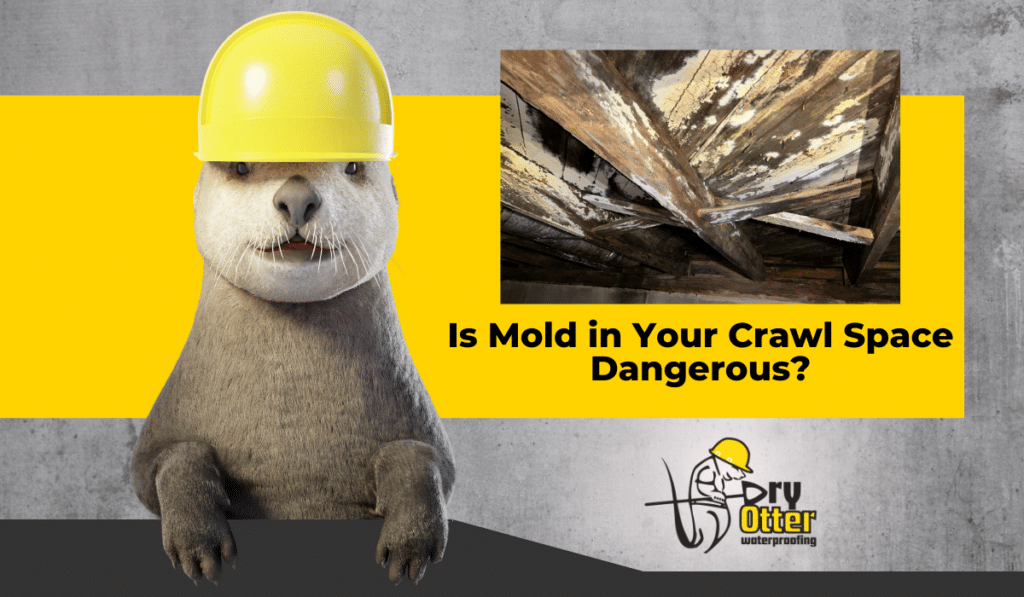
- Become a breeding ground for mold or mildew
Proper insulation works best when paired with moisture control solutions like vapor barriers or crawl space encapsulation. Together, they help keep the space dry and protect the structure above.
It Improves Indoor Air Quality
Air from the crawl space does not stay in the crawl space. It often moves upward into the home through gaps, cracks, and flooring penetrations.
If the insulation underneath is wet, moldy, or deteriorating, it can contribute to musty odors and poor indoor air quality. This can be especially concerning for people with allergies, asthma, or other respiratory sensitivities. Check out this blog post on Crawl Space Moisture and Breathing Problems.
Clean, properly installed insulation helps reduce the movement of unwanted air and contaminants into your living space.
It Helps Prevent Structural Issues
Temperature swings and excess moisture under a home can affect more than just comfort. Over time, they can contribute to:
- Wood rot
- Warped subfloors
- Increased risk of pest activity
Insulation helps stabilize the environment beneath your home, reducing stress on the materials that support your floors and structure.
When Crawl Space Insulation Fails
Many homeowners are surprised to learn that insulation under their home is no longer doing its job. Common signs include:
- Insulation hanging down or on the crawl space floor
- Cold or uneven floors
- Higher than normal energy bills
- Musty smells inside the home
In these cases, simply replacing insulation may not be enough. The underlying moisture issue needs to be addressed to prevent the problem from coming back.
Why Professional Evaluation Matters
Every crawl space is different. The right insulation type, placement, and moisture control approach depends on how your home is built and what conditions exist underneath it.
At Dry Otter Waterproofing, we look at the full picture (for free). That includes moisture levels, airflow, insulation condition, and how the crawl space affects the rest of the home. From there, we recommend solutions that make sense for your space and your long-term comfort.
You Otter Get Dry